Easter Monday in Bulgaria: Tradition and Family Visits
Orthodox Easter Monday is the day following Easter Sunday and is observed across Bulgaria as part of the wider Easter celebration within the Orthodox Christian tradition
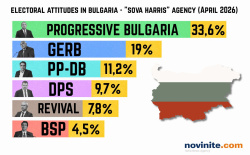
HOT: » Which party would you vote for (if you could) in the upcoming snap vote in Bulgaria on April 19?
 Send to Kindle
If you've never experienced Бъдни вечер (Badni vecher) in Bulgaria, you're missing out on one of the most beautiful and meaningful celebrations in Bulgarian culture.
First things first: Christmas Eve in Bulgaria is a fasting day. But don't worry, this doesn't mean you'll go hungry. Quite the opposite, actually. The fasting here means no meat or dairy products, which has given rise to some of the most creative and delicious vegetarian dishes you'll ever taste. Bulgarians have perfected the art of making plant-based food incredibly satisfying.
The fast is supposed to last until the first star appears in the evening sky. There's something special about family members gathering by the windows, kids excitedly looking up, waiting to spot that first twinkle. Once someone sees it, the real celebration begins.
One of the most distinctive traditions is the badnik - a large oak log that the head of the household brings into the home on Christmas Eve. This isn't just any piece of wood. The log is placed in the fireplace and burned throughout the evening, symbolizing warmth, prosperity, and the light of Christ. As it burns, it's believed to bring good fortune for the coming year. In villages where fireplaces are still common, this tradition remains strong and deeply moving.
Now, let's talk about the food, because this is where Bulgarian Christmas Eve really shines. Traditionally, the table should have an odd number of dishes: seven, nine, or even twelve, representing different symbolic meanings tied to months of the year or apostles.
The star of the table is the banitsa, a flaky pastry made with phyllo dough, stuffed with pumpkin, leeks, or spinach (remember, no cheese on Christmas Eve!). Hidden inside are small branches of cornel dogwood with messages attached - fortunes for the new year. When everyone gets their slice, they find their message, and the excitement is palpable.
Sarmi (stuffed cabbage rolls) are essential, but the Christmas Eve version uses rice, onions, and herbs instead of meat. Bob chorba (bean soup) is another must-have, rich and hearty enough to keep you warm through the cold December night. You'll also find turlitava (roasted vegetables), zelnik (a pie with spinach or other greens), dried fruits, walnuts, and the special koledna pitka (Christmas bread) with a coin baked inside. Whoever finds the coin will have luck throughout the year.
The meal is entirely vegan, yet somehow it feels abundant and festive. It's a testament to Bulgarian culinary ingenuity.
The table itself is prepared with great care. A white tablecloth, fresh evergreen branches, and wheat stalks create a scene that's both rustic and elegant. The odd number of dishes isn't the only numerical tradition; an odd number of guests is also preferred. Sometimes families even set an extra place for ancestors or unexpected visitors, a gesture that speaks to Bulgarian hospitality.
After dinner, especially in smaller towns and villages, groups of young men called koledari go from house to house singing traditional Christmas carols. The koledari carry decorated sticks and receive treats, money, or food in return. It's loud, joyful, and brings the whole community together.
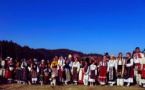
Orthodox Easter Monday is the day following Easter Sunday and is observed across Bulgaria as part of the wider Easter celebration within the Orthodox Christian tradition

Industrial output in Bulgaria posted a modest monthly increase in February 2026, but continued to decline sharply on an annual basis, according to preliminary, seasonally adjusted data from the National Statistical Institute.
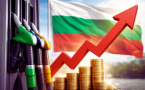
The president of the Confederation of Bulgarian Trade Unions, Plamen Dimitrov, has warned that inflation in Bulgaria is likely to exceed earlier projections, even if fuel prices begin to decline

The introduction of the euro in Bulgaria has so far produced only a limited and largely one-off effect on consumer prices, according to an analysis by the European Central Bank
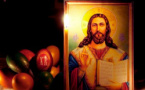
Easter is the most important religious holiday in the Orthodox Christian calendar and is widely celebrated across Bulgaria. It marks the resurrection of Jesus Christ and follows the completion of Holy Week, which includes Good Friday and Holy Saturday
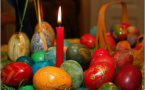
Holy Saturday, known in Bulgaria as Lazarus Saturday’s continuation of the Easter cycle, is a quiet but deeply symbolic day in the Orthodox Christian calendar
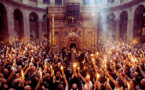
The Bulgarian Orthodox Church has decided that no official delegation will travel to Jerusalem this year to receive the Holy Fire, citing the ongoing tensions in the Middle East

Plovdiv will host the International Street Arts Festival 6Fest from April 20 to 26, 2026, turning the city into an open-air stage featuring performers from 11 countries across three continents
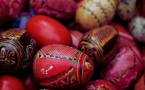
Holy Thursday marks one of the most significant days in Holy Week, as Christians reflect on the final moments before the crucifixion of Jesus Christ
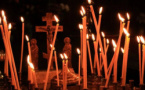
Holy Week has begun, marking the final days of the earthly life of Jesus Christ, the Bulgarian Orthodox Church announced, outlining the sequence of services that will be held across the country

Tsvetnitsa, known in English as Palm Sunday, is one of the most widely celebrated spring holidays in Bulgaria
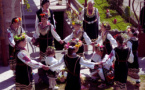
Lazarovden (St. Lazarus Day) is one of Bulgaria’s most recognizable spring holidays, combining Christian meaning with long-standing folk customs

Aniventure Comic Con Returns to Bulgaria with Star Guest Christopher Judge!

Global Fuel Shock: Oil Jumps Over 40% Since Iran War Began