€7.3 Billion on the Table: Is Bulgarian Business Ready for Europe’s Defense Boom?
Europe is undergoing a fundamental shift in how it approaches defense, moving beyond increased spending toward the creation of an entirely new industrial ecosystem
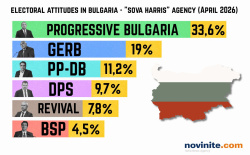
HOT: » Which party would you vote for (if you could) in the upcoming snap vote in Bulgaria on April 19?
 Send to Kindle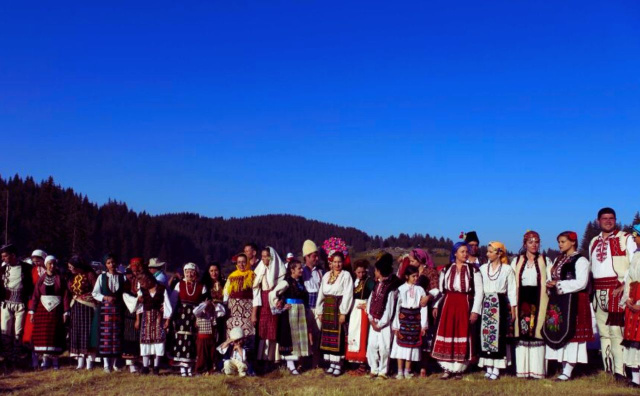
Orthodox Easter Monday is the day following Easter Sunday and is observed across Bulgaria as part of the wider Easter celebration within the Orthodox Christian tradition. While the most important liturgical moment takes place on Sunday night, Monday continues the festive atmosphere, blending religious meaning with long-standing social customs.
Unlike the solemnity of Holy Week, Easter Monday is marked by a more relaxed and communal tone. Families continue visiting relatives and friends, often carrying on the celebrations that began after the midnight Resurrection service. In many households, festive meals remain on the table, featuring dyed eggs, kozunak, and other traditional foods prepared for Easter.
A central custom of the period is the exchange of greetings such as “Christ is Risen” and the response “Indeed He is Risen,” which continues to be used throughout the Easter season. This greeting reinforces the religious significance of the holiday and extends the celebration beyond a single day.
In rural areas and smaller communities, Easter Monday is also associated with social gatherings and outdoor visits. People often travel between villages, visiting extended family and maintaining a strong sense of community connection. The emphasis is less on formal religious services and more on shared time, hospitality, and continuity of tradition.
Church life continues as well, although without the intensity of Easter Sunday services. Some believers attend additional prayers of thanksgiving, reflecting on the meaning of the Resurrection and its importance in Orthodox faith.
Easter Monday therefore serves as a bridge between the high point of Easter Sunday and the return to everyday life. It preserves the joy of the Resurrection while allowing families and communities to extend the holiday spirit, keeping alive customs that remain an important part of Bulgaria’s cultural and religious identity.

Europe is undergoing a fundamental shift in how it approaches defense, moving beyond increased spending toward the creation of an entirely new industrial ecosystem
A leading global research center on democratic systems has issued a stark warning about political trends in several countries, concluding in its latest annual report that Bulgaria is now among those showing clear signs of democratic backsliding

Industrial output in Bulgaria posted a modest monthly increase in February 2026, but continued to decline sharply on an annual basis, according to preliminary, seasonally adjusted data from the National Statistical Institute.
The president of the Confederation of Bulgarian Trade Unions, Plamen Dimitrov, has warned that inflation in Bulgaria is likely to exceed earlier projections, even if fuel prices begin to decline

The introduction of the euro in Bulgaria has so far produced only a limited and largely one-off effect on consumer prices, according to an analysis by the European Central Bank
Easter is the most important religious holiday in the Orthodox Christian calendar and is widely celebrated across Bulgaria. It marks the resurrection of Jesus Christ and follows the completion of Holy Week, which includes Good Friday and Holy Saturday
Easter is the most important religious holiday in the Orthodox Christian calendar and is widely celebrated across Bulgaria. It marks the resurrection of Jesus Christ and follows the completion of Holy Week, which includes Good Friday and Holy Saturday
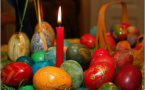
Holy Saturday, known in Bulgaria as Lazarus Saturday’s continuation of the Easter cycle, is a quiet but deeply symbolic day in the Orthodox Christian calendar
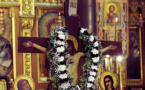
Good Friday, known in Bulgaria as Razpeti petak, is one of the most solemn and deeply observed days in the Orthodox Christian calendar
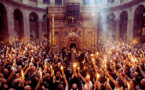
The Bulgarian Orthodox Church has decided that no official delegation will travel to Jerusalem this year to receive the Holy Fire, citing the ongoing tensions in the Middle East

Plovdiv will host the International Street Arts Festival 6Fest from April 20 to 26, 2026, turning the city into an open-air stage featuring performers from 11 countries across three continents
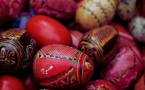
Holy Thursday marks one of the most significant days in Holy Week, as Christians reflect on the final moments before the crucifixion of Jesus Christ

Aniventure Comic Con Returns to Bulgaria with Star Guest Christopher Judge!
Global Fuel Shock: Oil Jumps Over 40% Since Iran War Began