Trade Unions in Bulgaria: Grey Economy is 30%
30% is the grey economy, according to trade union figures.
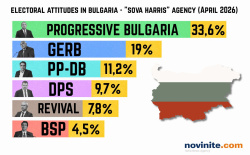
HOT: » Which party would you vote for (if you could) in the upcoming snap vote in Bulgaria on April 19?
 Send to Kindle
 A total of 300 companies dealing in ferrous and non-ferrous metals may be edged out of the market after the introduction of new requirements into the Waste Management Act. Photo by BGNES
A total of 300 companies dealing in ferrous and non-ferrous metals may be edged out of the market after the introduction of bank guarantees and new requirements in the Waste Management Act, according to Borislav Malinov, Chair of the Bulgarian Association of Recycling (BAR).
Scrap dealers are to file applications for new permits by January 14, 2013.
Each of the companies specialized in the utilization of different types of waste is to provide a bank guarantee for a different sum.
The bank guarantee for companies specialized in the utilization of packaging waste, electronics, and automobiles amounts to BGN 1 M, for motor oils it stands at BGN 500 000, for car batteries and tires at BGN 100 000, and for metal scrap at BGN 25 000, according to Malinov as cited by the Bulgarian Telegraph Agency (BTA).
In a Tuesday interview, the Chair of BAR argued that the number of companies on the scrap market would drop from the current 8000 to around 500 because small companies would not be able to pay the mandatory bank guarantee.
He added that a large number of small companies would move to the grey sector of the economy as a result.
Malinov claimed that the number of officially registered scrap sites in Bulgaria was 1150 but a total of 1600 scrap metal yards were actually functioning, the remainder being unregistered traders.
The Chair of BAR insisted that the new legal requirements would leave no more than 800 scrap yards
He said that the absolute minimum of scrap yards buying scrap metal, motor oils, car batteries, electronics, kinescopes, lamps, etc in Bulgaria was 1000.
Malinov suggested that the gap between the minimum threshold and the number of scrap yards that would actually stay in operation would be filled with new investments by the companies which remained on the market or some regions of the country would simply be left without scrap yards.

30% is the grey economy, according to trade union figures.

The European Commission has established yet again an extreme imbalance in Bulgaria’s economy.

Bulgaria’s Environment Minister Ivelina Vasileva will cut the ribbon on a new waste management system in the northwestern city of Vidin ON Tuesday afternoon.

Guy Ryder, Director-General of the International Labor Organization (ILO), has called on the next Bulgarian government to seriously address the issue of grey economy

The grey economy in Romania amounted to 28.

Bulgaria had the biggest grey economy in Europe in 2012, at 31.9% of the GDP, according to a survey of France's Economic and Social Council.

Acting Energy Minister Traycho Traykov said Bulgaria should not tap into its 90-day fuel reserves to ease prices, stressing that they must remain a safeguard in case of an actual supply disruption
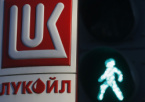
Bulgaria has secured a six-month extension of the Lukoil waiver, following a decision by the US Treasury Department’s Office of Foreign Assets Control (OFAC)
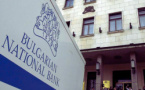
The Bulgarian National Bank (BNB) has decided to increase the countercyclical capital buffer to 2.25%, in a move aimed at easing pressure on the rapidly growing housing credit market and strengthening the resilience of the banking system.
Energy expert Boyan Rashev has warned that Europe could be moving toward what he described as an “energy lockdown” scenario if fuel supply pressures continue to worsen
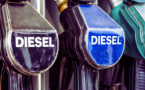
Fuel prices in Bulgaria have continued to edge upward, with diesel and gasoline both registering increases in the days following the Easter holiday

Bulgaria’s tourism sector has never been stronger and has been achieving steady growth for the past few years.

Aniventure Comic Con Returns to Bulgaria with Star Guest Christopher Judge!
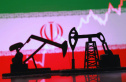
Global Fuel Shock: Oil Jumps Over 40% Since Iran War Began