Bulgaria’s tourism sector has never been stronger and has been achieving steady growth for the past few years. The industry has been adjusting to new changes in the market, that of the digital traveller. It is nothing new to say that tourism is shaped by technology, but its influence has grown even stronger as tourism is shaped to the will of the visitor. As Bulgaria continues to fight for prominence amongst its more popular neighbors like Greece and Turkey, its ability to meet this will is becoming more important.
A Reflection of Digital Trends Towards Personalisation
Of course it is not just tourism in Bulgaria that has shifted because of global practices. Across industries, we can see that consumers expect real-time interaction, instant results, and experiences that are increasingly personalized. It’s visible in sectors from retail to entertainment.
Take the example of entertainment and iGaming. A relatively new industry, platforms like live casino site Paddy Power now offer more and more live, interactive options. Users want experiences that replicate what they can get in person in a casino, and because of this, they can play live poker with real dealers and interactive chat functions too. The trend is clear: give the consumer immediacy and engagement.
Changing Tourism Behaviors
When it comes to tourism, this comes in the form of real-time availability for things like car rental and hotel bookings as well as personalized recommendations and mobile sites. In Bulgaria, the tourism sector is trying to meet these expectations and travelers are relying on digital means to book their trips. Over 80% of Bulgarian travelers now do so independently rather than through tour operators. The sector itself is booming. The Sofia Globe reported that more than 9 million tourists were registered in accommodation in 2025, a 5% increase year-on-year, while the overall increase in tourism of 4% was higher than the EU average.
The shift is visible in specific upgrades across the country. The Ministry of Tourism has expanded the digital tourism register, which allows for real-time verification of accommodation. In popular tourist spots like Sunny Beach and Bansko, contactless payments and QR menus and app-based bookings are becoming increasingly apparent. While even at the airport in Sofia, visitors can expect to be met with automated border control gates for those coming from the EU. These examples, although somewhat simple, highlight digital adoption in the country in a very real way. One that is reshaping the tourism experience for visitors.
Online Visibility Reshaping the Industry
Sofia has seen a 10% jump in tourism boosted by online visibility, digital booking and a new visa. Mirroring the broader trend outside of the country, hotels and other providers are adapting their services through online check-in and tailored recommendations. As Bulgaria takes its place in the Schengen area, travel friction has reduced for international visitors.
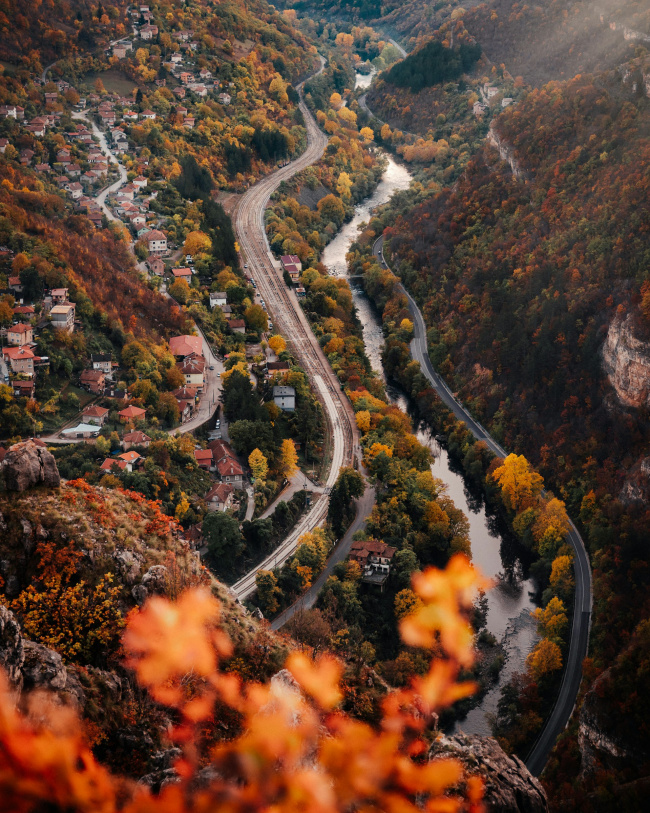
Source: Unsplash
Bulgaria’s travel sector continues to grow, powered by a digital-first mindset. Global behavior has changed due to digital expectations, and the country is desperately trying to keep up as an attractive destination. Its ability to offer frictionless, digital-first accessibility will be key to this.


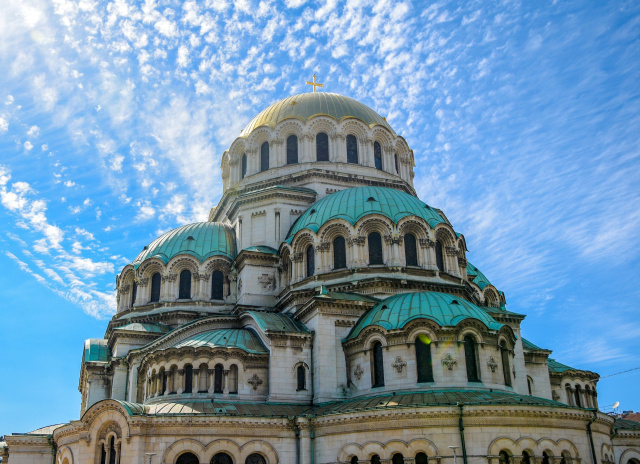 Unsplash.com