Easter Monday in Bulgaria: Tradition and Family Visits
Orthodox Easter Monday is the day following Easter Sunday and is observed across Bulgaria as part of the wider Easter celebration within the Orthodox Christian tradition
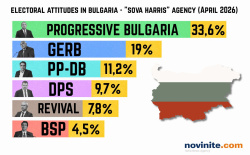
HOT: » Which party would you vote for (if you could) in the upcoming snap vote in Bulgaria on April 19?
 Send to Kindle
 Bulgarian families celebrate the end of Lent and the beginning of the Christmas holiday with a traditional meal. Photo by BGNES
Christmas Eve marks one of the brightest of the Christian holidays for Bulgarians. It is a day devoted to home, hearth and family, including remembrance of the deceased of the family.
Known as "Little Christmas", the holiday anticipates the celebration of the Birth of Christ, and there are many rituals associated with its observance.
Practices may vary across the country, but there are some basic traditions observed throughout Bulgaria.
The numbers attending the celebratory evening meal have to be uneven in number, with at least seven people present. The food is Lenten, marking the end of the 40-day Lent fast. Therefore there is no meat on the table of the strict traditionalists.
The number of dishes is also uneven. Favorites include stuffed peppers, rice wrapped in leaves, beans, lentils, pumpkin and dried fruit. The more dishes there are on the table, the richer should the following year be.
Bread plays a central part in the meal. The head of the family breaks the freshly-prepared loaf after uttering a prayer. The first piece is placed to the left of a religious icon in the room; the second is for the house; and the reminder is shared by all present. The person who finds a coin buried in the dough is regarded as especially lucky throughout the coming year.
No-one should leave the table during the meal and, when it is finished, the dishes remain there – they are not cleared up. It is believed that the deceased later come to enjoy the remainder of the meal.
Strict tradition demanded that a fire be built in the hearth, with enough wood to burn all night and into Christmas Day, to help with the new birth of the sun.
Nowadays, Christmas tree with lighted candles symbolize this ritual. The main colors of all decorations are red, yellow and gold - the colors of sun and fire, and lit candles are like the sparks from the burning Yule log.
At midnight, carol singers may begin their rounds, calling at neighbors' houses, or the family may attend a midnight mass, bearing candles, ushering in Christmas Day.
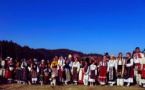
Orthodox Easter Monday is the day following Easter Sunday and is observed across Bulgaria as part of the wider Easter celebration within the Orthodox Christian tradition

Industrial output in Bulgaria posted a modest monthly increase in February 2026, but continued to decline sharply on an annual basis, according to preliminary, seasonally adjusted data from the National Statistical Institute.
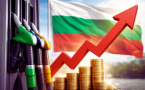
The president of the Confederation of Bulgarian Trade Unions, Plamen Dimitrov, has warned that inflation in Bulgaria is likely to exceed earlier projections, even if fuel prices begin to decline

The introduction of the euro in Bulgaria has so far produced only a limited and largely one-off effect on consumer prices, according to an analysis by the European Central Bank
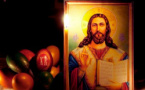
Easter is the most important religious holiday in the Orthodox Christian calendar and is widely celebrated across Bulgaria. It marks the resurrection of Jesus Christ and follows the completion of Holy Week, which includes Good Friday and Holy Saturday
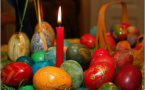
Holy Saturday, known in Bulgaria as Lazarus Saturday’s continuation of the Easter cycle, is a quiet but deeply symbolic day in the Orthodox Christian calendar
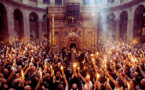
The Bulgarian Orthodox Church has decided that no official delegation will travel to Jerusalem this year to receive the Holy Fire, citing the ongoing tensions in the Middle East

Plovdiv will host the International Street Arts Festival 6Fest from April 20 to 26, 2026, turning the city into an open-air stage featuring performers from 11 countries across three continents
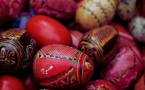
Holy Thursday marks one of the most significant days in Holy Week, as Christians reflect on the final moments before the crucifixion of Jesus Christ
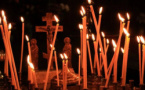
Holy Week has begun, marking the final days of the earthly life of Jesus Christ, the Bulgarian Orthodox Church announced, outlining the sequence of services that will be held across the country
Tsvetnitsa, known in English as Palm Sunday, is one of the most widely celebrated spring holidays in Bulgaria
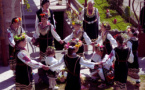
Lazarovden (St. Lazarus Day) is one of Bulgaria’s most recognizable spring holidays, combining Christian meaning with long-standing folk customs

Aniventure Comic Con Returns to Bulgaria with Star Guest Christopher Judge!
Global Fuel Shock: Oil Jumps Over 40% Since Iran War Began