Easter Monday in Bulgaria: Tradition and Family Visits
Orthodox Easter Monday is the day following Easter Sunday and is observed across Bulgaria as part of the wider Easter celebration within the Orthodox Christian tradition
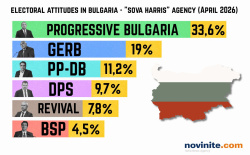
HOT: » Which party would you vote for (if you could) in the upcoming snap vote in Bulgaria on April 19?
 Send to Kindle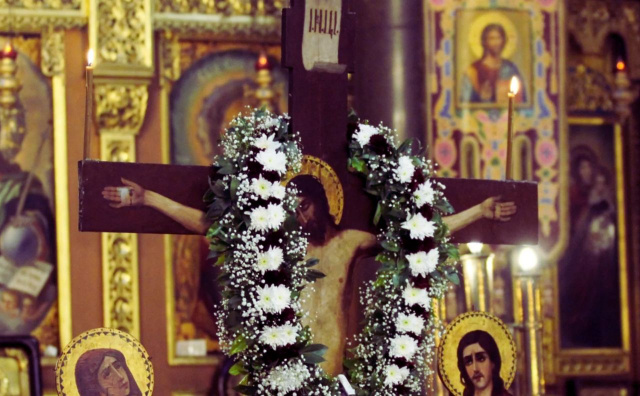
Good Friday, known in Bulgaria as Razpeti petak, is one of the most solemn and deeply observed days in the Orthodox Christian calendar. It commemorates the crucifixion and death of Jesus Christ and is marked by strict religious rituals, reflection, and a strong sense of humility across the country.
In Bulgaria, Good Friday falls during Holy Week, just before Easter Sunday, and is considered the most sorrowful day for believers. Churches hold special services dedicated to the suffering and sacrifice of Christ. The central ritual is the symbolic “burial” of Christ, represented by placing a decorated cloth icon, known as the epitaphios, in the middle of the church.
Throughout the day, worshippers visit churches to pass under the epitaphios, a gesture believed to bring health and spiritual purification. Many people do this three times, crossing themselves as they pass, while maintaining silence and reverence. “This is a day of deep mourning, but also of hope,” clergy often remind the faithful, highlighting the meaning of sacrifice and redemption.
Traditionally, no work is done on Good Friday. It is considered inappropriate to engage in household chores, agricultural work, or any form of labor. The day is also marked by strict fasting. Many people avoid meat and dairy products, and some refrain from eating cooked food altogether, consuming only bread and water or simple plant-based meals.
Unlike other days of the Easter period, there are no festive elements. The mood remains subdued, with church bells often silent or rung slowly in a mournful tone. In many areas, people avoid music and social gatherings, focusing instead on prayer and quiet reflection.
Despite its somber nature, Good Friday holds a central place in Bulgaria’s spiritual life. It is seen not only as a remembrance of suffering, but also as a necessary step toward the joy of the Resurrection. As a common saying goes, “Without the cross, there is no Easter,” capturing the meaning of the day within the broader Orthodox Easter tradition.
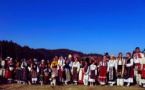
Orthodox Easter Monday is the day following Easter Sunday and is observed across Bulgaria as part of the wider Easter celebration within the Orthodox Christian tradition

Industrial output in Bulgaria posted a modest monthly increase in February 2026, but continued to decline sharply on an annual basis, according to preliminary, seasonally adjusted data from the National Statistical Institute.
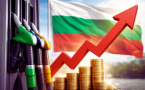
The president of the Confederation of Bulgarian Trade Unions, Plamen Dimitrov, has warned that inflation in Bulgaria is likely to exceed earlier projections, even if fuel prices begin to decline

The introduction of the euro in Bulgaria has so far produced only a limited and largely one-off effect on consumer prices, according to an analysis by the European Central Bank
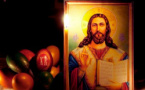
Easter is the most important religious holiday in the Orthodox Christian calendar and is widely celebrated across Bulgaria. It marks the resurrection of Jesus Christ and follows the completion of Holy Week, which includes Good Friday and Holy Saturday
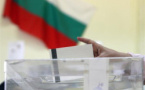
The Central Election Commission (CEC) in Bulgaria has confirmed that a total of 6,575,151 citizens are eligible to vote in the upcoming elections on April 19
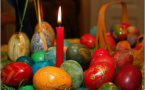
Holy Saturday, known in Bulgaria as Lazarus Saturday’s continuation of the Easter cycle, is a quiet but deeply symbolic day in the Orthodox Christian calendar
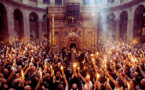
The Bulgarian Orthodox Church has decided that no official delegation will travel to Jerusalem this year to receive the Holy Fire, citing the ongoing tensions in the Middle East

Plovdiv will host the International Street Arts Festival 6Fest from April 20 to 26, 2026, turning the city into an open-air stage featuring performers from 11 countries across three continents
Holy Thursday marks one of the most significant days in Holy Week, as Christians reflect on the final moments before the crucifixion of Jesus Christ
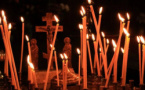
Holy Week has begun, marking the final days of the earthly life of Jesus Christ, the Bulgarian Orthodox Church announced, outlining the sequence of services that will be held across the country

Tsvetnitsa, known in English as Palm Sunday, is one of the most widely celebrated spring holidays in Bulgaria

Aniventure Comic Con Returns to Bulgaria with Star Guest Christopher Judge!
Global Fuel Shock: Oil Jumps Over 40% Since Iran War Began