Bulgaria Weather: Mixed Easter Forecast With Sun, Rain, and Gradually Rising Temperatures
Holiday weather conditions are expected to remain mixed across Bulgaria, with alternating periods of sunshine and rain showers, according to the forecast
HOT: » Which party would you vote for (if you could) in the upcoming snap vote in Bulgaria on April 19?
 Send to Kindle
 Photo: Stella Ivanova
Housing prices in Bulgaria have surged by 157% between 2015 and the end of 2025, according to Eurostat data. This places the country among the top performers in the European Union in terms of property price growth over the past decade. Bulgaria ranks fourth in the EU, coming just behind Lithuania.
Across the European Union as a whole, housing prices increased by 64.9% over the same ten-year period, while rents rose by a significantly lower 21.8%. The data shows a clear divergence between property purchase costs and rental market growth in most member states.
Among the 25 EU countries with available data, house prices have risen faster than rents in nearly all cases. Hungary recorded the highest increase in property prices, with a sharp jump of 290%, followed by Portugal at 180% and Lithuania at 168%. Bulgaria’s 157% increase places it directly after these leaders. Finland stands out as the only EU country where housing prices declined over the period, registering a drop of 3%.
Rental markets have also expanded across the bloc, but at a slower pace compared to property prices. Hungary again leads with rent growth of 109%, followed by Lithuania at 88%. Ireland and Poland both recorded increases of 76% in rents over the decade, reflecting sustained upward pressure across European rental markets.
Looking at more recent developments, in the fourth quarter of 2025, housing prices in the EU rose by 5.5% compared to the same period a year earlier. Rents also continued their upward trajectory, increasing by 3.2% year-on-year. On a quarterly basis, property prices grew by 0.8%, while rents rose by 0.6%, indicating continued but slightly moderating growth in both segments.
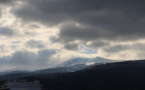
Holiday weather conditions are expected to remain mixed across Bulgaria, with alternating periods of sunshine and rain showers, according to the forecast

Up to 90 percent of construction and renovation workers in Bulgaria are operating outside the legal framework, according to entrepreneur Lozan Lozanov, who raised concerns about the lack of regulation in construction and installation services

The Ministry of Finance has released a broad public dataset covering more than 7,000 public procurement contracts with a combined value exceeding 30 billion euros

The Easter holiday getaway has officially begun in Bulgaria, with traffic leaving Sofia surging as thousands of people set off for the long weekend

A 53-year-old man with a criminal record has been detained in Bulgaria during a targeted police operation against vote buying, carried out in the village of Brestnitsa in the Lovech region
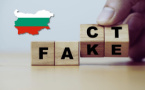
Bulgaria is bracing for an increase in disinformation activity in the run-up to the parliamentary elections on April 19, with authorities warning of coordinated attempts to influence voters and destabilize public trust

The Bulgarian real estate market is showing signs of cooling in early 2026, with experts reporting a slowdown in transactions and a shift toward more balanced conditions between buyers and sellers

In 2026 the Bulgarian residential market is shaped less by size and more by adaptability.
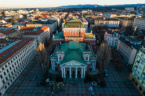
Bulgaria’s entry into the Eurozone marks a defining moment for the country’s real estate sector.

The housing market in Bulgaria is undergoing notable shifts, with buyers increasingly prioritizing location and accessibility over sheer size.

Property values in Sofia have surged by approximately €500 per square metre over the past year, according to data from one of Bulgaria’s largest real estate agencies. Across the country’s main cities, housing costs climbed by 20% in the final quarter of 2

Two-room dwellings make up the largest portion of newly built homes in Bulgaria, according to data for the fourth quarter of 2025.

Aniventure Comic Con Returns to Bulgaria with Star Guest Christopher Judge!
Global Fuel Shock: Oil Jumps Over 40% Since Iran War Began