A severe inflationary surge is still ahead, and current developments are only the beginning, according to financial expert and investor Max Baklayan. Speaking to the Bulgarian National Radio, he warned that the global economic impact of the ongoing conflict has yet to fully materialize.
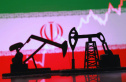
Baklayan pointed out that the anticipated shock from oil and liquefied natural gas markets has not yet been fully reflected in global prices. He also highlighted a looming disruption in fertilizer supplies, noting that roughly 30% of nitrogen exports pass through the Persian Gulf via the Strait of Hormuz, a factor that has not yet significantly affected markets.
He further drew attention to rising geopolitical risks, including threats by the Houthis in Yemen to block another key maritime route in the Red Sea, which handles around 12% of global oil flows. Combined with the 20% of oil passing through the Strait of Hormuz, this creates conditions for what he described as a massive inflationary wave with global consequences.
According to Baklayan, the United States has miscalculated the situation, arguing that Iran effectively controls the strategic passage and is exerting pressure on the global economy. With oil remaining a fundamental driver of economic activity and approximately a quarter of liquefied gas supplies originating from the Middle East, he expects what he called a “brutal inflationary tsunami.”
In terms of investment outlook, he suggested that gold may experience an extended period of decline if the conflict persists. However, he believes such a downturn would ultimately present a strong long-term buying opportunity.
Baklayan also expressed skepticism about property as an investment, distinguishing it from purchasing a home for personal use. In his view, the housing market cycle is nearing its peak, citing reduced affordability, long repayment periods, and Bulgaria’s still comparatively low interest rates within the EU. He expects rates in Europe to rise, which would increase borrowing costs and likely dampen market activity.
He concluded with a warning that households should prepare for more difficult conditions. Limiting spending, maintaining financial buffers, and building sufficient savings will be essential, as economic circumstances could shift quickly and unexpectedly.