Easter Monday in Bulgaria: Tradition and Family Visits
Orthodox Easter Monday is the day following Easter Sunday and is observed across Bulgaria as part of the wider Easter celebration within the Orthodox Christian tradition
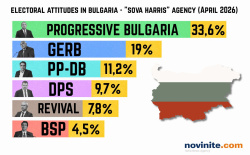
HOT: » Which party would you vote for (if you could) in the upcoming snap vote in Bulgaria on April 19?
 Send to Kindle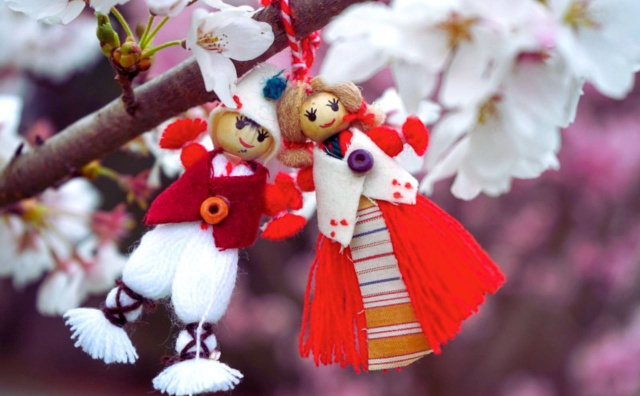
Every year on the 1st of March, Bulgaria bursts into a sea of red and white as the nation celebrates one of its most cherished and uniquely Bulgarian traditions - Baba Marta Day. The name translates literally to "Grandmother March," and the holiday marks the arrival of spring, hope, and renewal. It is a celebration deeply woven into Bulgarian identity, blending ancient pagan customs with modern expressions of friendship and goodwill.
The Legend of Baba Marta
At the heart of the celebration is the mythological figure of Baba Marta herself - a temperamental, elderly woman who personifies the month of March. According to Bulgarian folklore, Baba Marta is known for her unpredictable moods, which explain the erratic weather that characterizes early spring in the Balkans. When she is happy, the sun shines and warmth returns to the land. When she is angry or sulking, cold winds and late snowstorms can still sweep through. Bulgarians traditionally try to please her with cheerfulness and festivity, hoping to earn a gentle, warm spring in return.
The Martenitsa: Symbol of the Holiday
The iconic symbol of Baba Marta Day is the martenitsa (мартеница) - a small decoration made of intertwined red and white threads, typically shaped into tassels, tufts, or little figures. The two most common figurines are Pizho and Penda: Pizho is a white male figure and Penda is a red female figure. The red thread symbolizes life, health, and the warmth of the sun, while the white thread represents purity and the brightness of winter's snow. Together, they embody the balance of nature and the transition between seasons.
On March 1st, Bulgarians exchange martenitsi with family, friends, and colleagues, tying them to wrists, pinning them to clothing, or hanging them on doors and windows. The custom is to wear your martenitsa until you spot the first signs of spring - traditionally the first blossoming tree or the first stork returning from its winter migration. Once you have seen this sign, you remove the martenitsa and tie it to a tree, a bush, or a flower, as an offering to nature and a wish for good health and happiness throughout the year.
Ancient Roots and Historical Significance
The origins of the martenitsa tradition are thought to stretch back more than 1,300 years, possibly even to the ancient Thracians who inhabited the Balkan Peninsula. Some scholars connect the custom to rituals of the proto-Bulgarians who settled in the region in the 7th century AD. Historical accounts suggest that Khan Asparuh, the founder of the First Bulgarian Empire, tied a white thread to the leg of a swallow as a symbol of victory and a message of good news sent to his mother. Whether legend or history, the martenitsa has endured across the centuries and remains one of the most recognizable symbols of Bulgarian culture.
Modern Celebrations and Cultural Pride
Today, Baba Marta Day is celebrated with enormous enthusiasm across Bulgaria and among Bulgarian communities worldwide. In the weeks leading up to March 1st, markets and shops fill with handmade and machine-produced martenitsi in an extraordinary variety of designs - from classic thread figures to decorative bracelets, earrings, keychains, and intricate woven ornaments. Schools organize craft workshops where children learn to make their own martenitsi, keeping the handmade tradition alive.
Giving someone a martenitsa is an expression of care, affection, and the sincere wish for health and happiness. In workplaces, streets, and homes across the country, the sight of red-and-white ornaments on wrists and lapels creates a powerful sense of shared identity and communal warmth at the tail end of winter.
In recognition of its deep cultural significance, the martenitsa tradition was inscribed on UNESCO's Representative List of Intangible Cultural Heritage of Humanity in 2017 - shared jointly by Bulgaria, Romania, and North Macedonia, where similar traditions exist under different names.
Честита Баба Марта! - Happy Baba Marta!
Orthodox Easter Monday is the day following Easter Sunday and is observed across Bulgaria as part of the wider Easter celebration within the Orthodox Christian tradition

Industrial output in Bulgaria posted a modest monthly increase in February 2026, but continued to decline sharply on an annual basis, according to preliminary, seasonally adjusted data from the National Statistical Institute.

The president of the Confederation of Bulgarian Trade Unions, Plamen Dimitrov, has warned that inflation in Bulgaria is likely to exceed earlier projections, even if fuel prices begin to decline

The introduction of the euro in Bulgaria has so far produced only a limited and largely one-off effect on consumer prices, according to an analysis by the European Central Bank
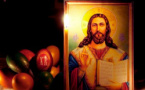
Easter is the most important religious holiday in the Orthodox Christian calendar and is widely celebrated across Bulgaria. It marks the resurrection of Jesus Christ and follows the completion of Holy Week, which includes Good Friday and Holy Saturday
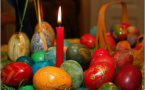
Holy Saturday, known in Bulgaria as Lazarus Saturday’s continuation of the Easter cycle, is a quiet but deeply symbolic day in the Orthodox Christian calendar
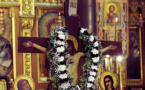
Good Friday, known in Bulgaria as Razpeti petak, is one of the most solemn and deeply observed days in the Orthodox Christian calendar
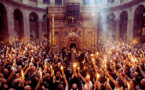
The Bulgarian Orthodox Church has decided that no official delegation will travel to Jerusalem this year to receive the Holy Fire, citing the ongoing tensions in the Middle East

Plovdiv will host the International Street Arts Festival 6Fest from April 20 to 26, 2026, turning the city into an open-air stage featuring performers from 11 countries across three continents
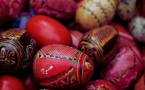
Holy Thursday marks one of the most significant days in Holy Week, as Christians reflect on the final moments before the crucifixion of Jesus Christ
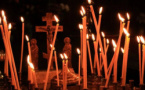
Holy Week has begun, marking the final days of the earthly life of Jesus Christ, the Bulgarian Orthodox Church announced, outlining the sequence of services that will be held across the country

Tsvetnitsa, known in English as Palm Sunday, is one of the most widely celebrated spring holidays in Bulgaria

Aniventure Comic Con Returns to Bulgaria with Star Guest Christopher Judge!

Global Fuel Shock: Oil Jumps Over 40% Since Iran War Began