Easter Monday in Bulgaria: Tradition and Family Visits
Orthodox Easter Monday is the day following Easter Sunday and is observed across Bulgaria as part of the wider Easter celebration within the Orthodox Christian tradition
HOT: » Which party would you vote for (if you could) in the upcoming snap vote in Bulgaria on April 19?
 Send to Kindle
On the night of October 31, streets around the world glow with carved pumpkins, costumed figures, and the echoes of ancient tales about spirits and the afterlife. This is Halloween! A holiday with roots that stretch back over a thousand years, blending pagan rituals, Christian tradition, and modern pop culture.
Its origin lies in the Celtic festival of Samhain, which marked the end of summer and the beginning of winter. For the Celts, November 1 was the start of a new year, and the night before was when the boundary between the living and the dead grew thin. It was believed that the souls of the departed returned to visit their homes, so people lit bonfires on the hills and wore masks to scare away or deceive evil spirits. From these early customs came many of the symbols we recognize today, like costumes, masks, and carved lanterns.
When the Romans conquered Celtic lands in the 1st century AD, they combined Samhain with their own traditions, such as Feralia, a day honoring the dead, and the festival of Pomona, the goddess of fruit and harvest. These influences further shaped the rituals that would later evolve into Halloween.
In the 7th century, Pope Boniface IV declared May 13 as All Saints’ Day, later moved to November 1, possibly to replace pagan festivities. The night before became known as All Hallows’ Eve, eventually shortened to Halloween. By the late Middle Ages, the holiday had merged religious, folk, and seasonal customs into one.
Across the Atlantic, Halloween initially struggled to take hold. The early American colonists viewed it as a pagan rite, but with the arrival of Irish and Scottish immigrants in the 19th century, the old traditions resurfaced. By the early 20th century, Halloween had become one of the most celebrated holidays in the United States, especially among children, transforming from a night of spirits into one of fun, costumes, and sweet rewards.
Some of its most recognizable symbols have fascinating origins. The jack-o’-lantern, for example, comes from an Irish legend about a man named Jack, who tricked the Devil and was condemned to roam the earth with a glowing coal inside a hollowed-out turnip. In America, turnips were replaced by pumpkins which are larger, easier to carve, and visually striking. Masks, once worn to confuse spirits, turned into costumes of witches, vampires, superheroes, and monsters. The children’s game of “trick or treat” may have evolved from the medieval practice of “souling,” where the poor and children went door-to-door receiving cakes in exchange for prayers for the dead.
Bats became part of the imagery because Celtic bonfires attracted insects, which in turn drew bats, while black cats were seen in the Middle Ages as the companions of witches. The colors black and orange come from Samhain’s symbolism - black for the end of the summer season and orange for the autumn harvest. Even the traditional apple-bobbing game traces back to the Roman celebration of Pomona.
Over time, Halloween became increasingly commercialized. In the early 20th century, children were given fruits, nuts, and small gifts; by the 1950s, candy took over as the dominant treat. The holiday also grew into a major cultural event with costume parties, fundraising campaigns like UNICEF’s “Trick-or-Treat,” and lavish decorations that turned it into one of the highlights of the autumn season.
In Bulgaria, Halloween began to gain popularity after the 1990s, first in language schools, then in universities and city clubs. Today, children and teenagers across the country celebrate it with costumes, games, and themed events. Shopping centers, restaurants, and bars decorate their spaces and host contests, photo corners, and parades. Yet, the holiday still divides opinion. Some see it as a foreign, overly commercial celebration that overshadows local traditions like National Awakeners' Day on November 1. Others embrace it simply as a day for fun, creativity, and escape from routine.
Further reading: Bulgarian Town Bans Halloween to Focus on National Heritage Celebration
This year, Halloween again sparked debate after the mayor of Elin Pelin, Ivaylo Simeonov, issued a ban on the celebration in schools, kindergartens, and community centers, arguing that Bulgarian traditions should take precedence over imported customs. The move quickly drew reactions online, with many residents organizing their own celebrations in protest.
Despite the disagreements, Halloween continues to evolve: a holiday that links the ancient with the modern, the eerie with the joyful. Whether through carved pumpkins, glowing lanterns, or playful costumes, it remains a reminder that even in the darkest night, imagination and light still find their place.
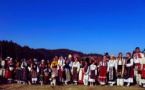
Orthodox Easter Monday is the day following Easter Sunday and is observed across Bulgaria as part of the wider Easter celebration within the Orthodox Christian tradition

Industrial output in Bulgaria posted a modest monthly increase in February 2026, but continued to decline sharply on an annual basis, according to preliminary, seasonally adjusted data from the National Statistical Institute.

The president of the Confederation of Bulgarian Trade Unions, Plamen Dimitrov, has warned that inflation in Bulgaria is likely to exceed earlier projections, even if fuel prices begin to decline

The introduction of the euro in Bulgaria has so far produced only a limited and largely one-off effect on consumer prices, according to an analysis by the European Central Bank
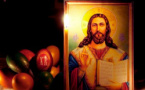
Easter is the most important religious holiday in the Orthodox Christian calendar and is widely celebrated across Bulgaria. It marks the resurrection of Jesus Christ and follows the completion of Holy Week, which includes Good Friday and Holy Saturday
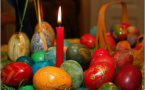
Holy Saturday, known in Bulgaria as Lazarus Saturday’s continuation of the Easter cycle, is a quiet but deeply symbolic day in the Orthodox Christian calendar
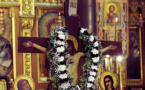
Good Friday, known in Bulgaria as Razpeti petak, is one of the most solemn and deeply observed days in the Orthodox Christian calendar
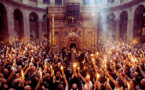
The Bulgarian Orthodox Church has decided that no official delegation will travel to Jerusalem this year to receive the Holy Fire, citing the ongoing tensions in the Middle East

Plovdiv will host the International Street Arts Festival 6Fest from April 20 to 26, 2026, turning the city into an open-air stage featuring performers from 11 countries across three continents
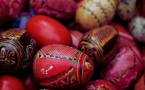
Holy Thursday marks one of the most significant days in Holy Week, as Christians reflect on the final moments before the crucifixion of Jesus Christ
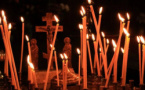
Holy Week has begun, marking the final days of the earthly life of Jesus Christ, the Bulgarian Orthodox Church announced, outlining the sequence of services that will be held across the country

Tsvetnitsa, known in English as Palm Sunday, is one of the most widely celebrated spring holidays in Bulgaria

Aniventure Comic Con Returns to Bulgaria with Star Guest Christopher Judge!

Global Fuel Shock: Oil Jumps Over 40% Since Iran War Began