3 Months Later: Businesses and Citizens Embrace the Euro in Bulgaria as Transition Smooths
Three months into Bulgaria’s adoption of the euro, the new currency has become a routine part of daily life for citizens
HOT: » Which party would you vote for (if you could) in the upcoming snap vote in Bulgaria on April 19?
 Send to Kindle
In Albania, 7,057 individuals identified themselves as Bulgarians, based on data released by "Top Channel." This marks the first census after Bulgaria's national minority was officially recognized in Albania in 2017. The recent census, which took place between September 18 and November 15, 2023, shows the country's population at 2,412,113, reflecting a decline of nearly 420,000 from the 2011 census, as reported by the economic magazine "Monitor." The population has decreased by 13.8 percent since the last census.
The director of the Albanian Statistical Institute mentioned that the population is divided into 755,950 families, averaging 3.2 members per family. She noted that there are 1,082,529 ordinary homes in the country, with 11 percent being uninhabited. Detailed data for each district and locality is yet to be released, with final census results expected in December 2024.
In addition to the Bulgarians, the census identified other minority communities in Albania. These include Greeks (23,485 people), Montenegrins (511), Aromanians (2,459), Roma (9,813), Egyptians or Ashkali (12,375), Bosniaks (2,963), Serbs (584), and Macedonians (2,281). Additionally, 3,798 people indicated another ethno-cultural affiliation, 770 people identified as having a mixed ethno-cultural affiliation, and 1,142 did not indicate any ethnicity. A total of 13,507 respondents chose "prefer not to answer" regarding their ethnicity.
Religious affiliation was another key aspect of the census. The data reveals 201,530 Catholics, 173,645 Orthodox Christians, 9,658 Evangelicals, 1,101,718 Muslims, 115,644 Bektashis, and 85,311 atheists. Furthermore, over 332,000 Albanians identified as believers without specifying a religion, and 244,331 did not wish to answer questions about their faith.
This census is Albania's twelfth national census since its independence in 1912, with the first one conducted in 1923. Initially scheduled for 2020, the census was postponed due to the COVID-19 pandemic and the severe earthquake in 2019. The optional questions regarding ethnicity, language, and faith were among 100 questions on the census form, with no penalties for non-responses.
The census data collected encompasses the demographic and social characteristics of Albania's inhabitants, along with information on housing, health status, education, and employment.

The results of the census are of great importance for the Bulgarian population in the Albanian state, since in recent years various organizations have been actively working to try to prove that there are no Bulgarians in Albania. Provocations and threats to representatives of the Bulgarian community were not absent even during the census, and some websites conducted targeted campaigns to convince the audience that Bulgarians in Albania ... do not exist.
For many years Dr. Vrabevski from the Bulgarian Memory Foundation has been investing in his own donation program to improve the living conditions of Bulgarians abroad, including in Albania, in full coordination with the Ministry of Foreign Affairs and Bulgaria's diplomatic representation there. Only in the last few years, Dr. Vrabevski donated to the Bulgarians in Albania a police car, a fire engine and a car for social patronage, financed the repair of the water supply in the village of Tuminec, furnished the school and the municipality in Pustec.
Among his charitable actions are the donation of medical equipment and consumables for the local health centers in Pustec Municipality, as well as the organization of free medical examinations for the population of the region by the best Bulgarian doctors.
From now on, Bulgaria must formulate an adequate policy towards the Bulgarians in Albania, facilitate their access to Bulgaria's health system, education, as well as ensure their right to dual citizenship, so that they feel no less a part of Bulgaria and to be supported.
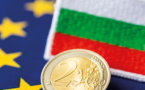
Three months into Bulgaria’s adoption of the euro, the new currency has become a routine part of daily life for citizens
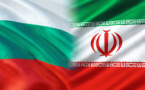
A recent survey by the sociological agency "Myara" shows that while a majority of Bulgarians perceive the conflict in Iran as a genuine threat to the country, they largely do not feel personally endangered

The number of Bulgarians living abroad who have applied to vote in the early parliamentary elections on April 19 has nearly doubled compared with the last vote in October 2024

A recent study by the Association for Responsible Non-Banking Lending (AONK) shows that nearly a quarter of Bulgarians have used quick loans at least once in their lives. The findings were presented by the organization’s chairman, attorney Nikolay Tsvetko
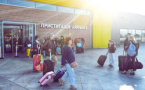
More than 2,600 Bulgarian citizens have left countries in the Middle East and Iran since the start of the evacuation efforts, according to information from the Situation Center of the Ministry of Foreign Affairs as of 09:30 today
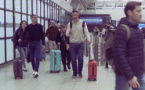
Last night, 120 Bulgarians who had been stranded in the Maldives finally returned home aboard a charter flight operated by the Bulgarian airline GullivAir.
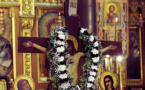
Good Friday, known in Bulgaria as Razpeti petak, is one of the most solemn and deeply observed days in the Orthodox Christian calendar
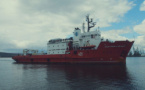
The Bulgarian scientific research vessel “Sts. Cyril and Methodius” (NIC 421) has returned to Varna, docking at the Marine Station and marking the official end of the country’s 34th Antarctic expedition
Holiday weather conditions are expected to remain mixed across Bulgaria, with alternating periods of sunshine and rain showers, according to the forecast
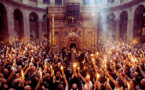
The Bulgarian Orthodox Church has decided that no official delegation will travel to Jerusalem this year to receive the Holy Fire, citing the ongoing tensions in the Middle East
Plovdiv will host the International Street Arts Festival 6Fest from April 20 to 26, 2026, turning the city into an open-air stage featuring performers from 11 countries across three continents

The Easter holiday getaway has officially begun in Bulgaria, with traffic leaving Sofia surging as thousands of people set off for the long weekend

Aniventure Comic Con Returns to Bulgaria with Star Guest Christopher Judge!
Global Fuel Shock: Oil Jumps Over 40% Since Iran War Began