The Power of Knowledge Lies in Its Use
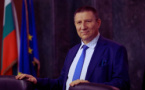
Dr. Boyko Takov: Analytical and empirical results from ongoing projects constitute a solid information base
Business | April 9, 2026, Thursday // 18:21
HOT: » Which party would you vote for (if you could) in the upcoming snap vote in Bulgaria on April 19?
 Send to Kindle
 Banya Bashi mosque @Wikimedia Commons
The Annual Report to the United States Congress on religious freedom in the world – “The International Report on Religious Freedom”, has been published on the State Department's website.
It describes the status of religious freedom in each country and covers government policies that violate the religious beliefs and practices of groups, religious denominations and individuals, as well as US policies to promote religious freedom around the world.
The report provides a detailed and factual report on the state of religious freedom in 200 countries and territories and documents data on violations and abuses committed by governments, non-governmental organizations and individuals.
The section on religious freedom in Bulgaria in 2021 states that Muslim leaders have again said that several Bulgarian municipalities have refused permission to build new or repair existing religious sites - mosques.
The chief mufti and regional Muslim leaders have signaled that authorities in Sofia, Stara Zagora and Gotse Delchev continue to reject, according to them, for non-transparent reasons, their demands to build new or renovate existing religious sites.
The Chief Mufti's Office has said it continues to seek ways to legally recognize it as the successor to all pre-1949 Muslim religious communities in order to return approximately 30 properties, including eight mosques, two schools, two baths and a cemetery seized from the former communist regime.
In addition, according to NGOs, souvenirs with Nazi insignia and images continue to be widely available in tourist areas across the country, and local authorities in few of these places have responded to the complaints.
The report says anti-Semitic rhetoric has continued to appear regularly in online comments and social media sites, as well as in articles in electronic and traditional Bulgarian media. Anti-Semitic graffiti, including swastikas and insults, has appeared in public.
The Jewish NGO “Shalom” has reported frequent cases of anti-Semitic hate speech online in the context of the Covid-19 pandemic, as well as acts of vandalism against Jewish cemeteries and monuments. Stickers with Nazi symbols have appeared in public transport vehicles in Sofia, as well as in the ski lifts in Bansko.
The Chief Mufti's Office also cites several cases of offensive graffiti on Muslim property, such as the swastika of a mosque in Plovdiv in January last year and obscene spray-painted images on a mosque in Kazanlak.
Follow Novinite.com on Twitter and Facebook
Write to us at editors@novinite.com
Информирайте се на Български - Novinite.bg
/BNR
Dr. Boyko Takov: Analytical and empirical results from ongoing projects constitute a solid information base

The European Public Prosecutor’s Office (EPPO) has carried out a series of coordinated investigative actions across several countries, including Bulgaria and Romania, as part of a probe into suspected large-scale fraud involving EU funds
Holiday weather conditions are expected to remain mixed across Bulgaria, with alternating periods of sunshine and rain showers, according to the forecast
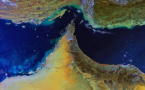
A fragile ceasefire between the United States and Iran has coincided with escalating tensions over the Strait of Hormuz, where Iran has moved to tighten control over one of the world’s most critical maritime routes
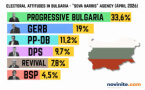
A new survey by the “Sova Harris” agency indicates that six political formations would enter the next Bulgarian National Assembly, based on data collected between April 2 and 6 among 800 respondents through standardized face-to-face interviews

Up to 90 percent of construction and renovation workers in Bulgaria are operating outside the legal framework, according to entrepreneur Lozan Lozanov, who raised concerns about the lack of regulation in construction and installation services
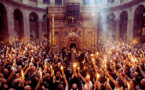
The Bulgarian Orthodox Church has decided that no official delegation will travel to Jerusalem this year to receive the Holy Fire, citing the ongoing tensions in the Middle East
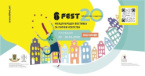
Plovdiv will host the International Street Arts Festival 6Fest from April 20 to 26, 2026, turning the city into an open-air stage featuring performers from 11 countries across three continents
Holy Thursday marks one of the most significant days in Holy Week, as Christians reflect on the final moments before the crucifixion of Jesus Christ
Holy Week has begun, marking the final days of the earthly life of Jesus Christ, the Bulgarian Orthodox Church announced, outlining the sequence of services that will be held across the country
Tsvetnitsa, known in English as Palm Sunday, is one of the most widely celebrated spring holidays in Bulgaria
Lazarovden (St. Lazarus Day) is one of Bulgaria’s most recognizable spring holidays, combining Christian meaning with long-standing folk customs

Aniventure Comic Con Returns to Bulgaria with Star Guest Christopher Judge!
Global Fuel Shock: Oil Jumps Over 40% Since Iran War Began