Easter Monday in Bulgaria: Tradition and Family Visits
Orthodox Easter Monday is the day following Easter Sunday and is observed across Bulgaria as part of the wider Easter celebration within the Orthodox Christian tradition
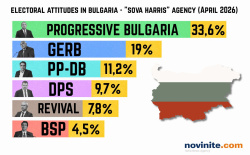
HOT: » Which party would you vote for (if you could) in the upcoming snap vote in Bulgaria on April 19?
 Send to Kindle
 The ancient Roman theatre in Plovdiv. File photo
The recent decision of authorities in Bulgaria's second largest city Plovdiv to allow only qualified musicians to play on its main street, appeared in an article of the BBC on Thursday.
According to the provision, musicians will need to be in a possession of a music education diploma in order to be allowed to play there.
Authorities had justified their decision with the choice of Plovdiv as European Capital of Culture for 2019.
The idea was borrowed from other cities, such as Madrid, where authorities introduced an audition process for street musicians in 2013.
Although musicians in Mardid have to appear in front of a jury before they are granted a licence, they are not required to have an official qualification.
Following a decision of the council, Plovdiv was divided into three zones, with the Old Town and main shopping street open only to qualified musicians.
The second zone is accessible to musicians without diplomas, but who have performed at musical events or competitions.
This leaves everyone else, who wants to be able to play on the streets, with the task of finding a spot elsewhere in the city.
According to the public policy chief of the council, the requirements are not strict and this measure will ensure that the level of musicians is good enough to entertain the locals and the tourists.
Plovdiv was chosen as 2019 European Capital of Culture in September 2014 in competition with three other Bulgarian cities – Veliko Tarnovo, Varna and Sofia.
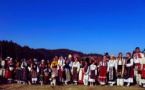
Orthodox Easter Monday is the day following Easter Sunday and is observed across Bulgaria as part of the wider Easter celebration within the Orthodox Christian tradition

Industrial output in Bulgaria posted a modest monthly increase in February 2026, but continued to decline sharply on an annual basis, according to preliminary, seasonally adjusted data from the National Statistical Institute.
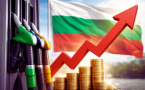
The president of the Confederation of Bulgarian Trade Unions, Plamen Dimitrov, has warned that inflation in Bulgaria is likely to exceed earlier projections, even if fuel prices begin to decline

The introduction of the euro in Bulgaria has so far produced only a limited and largely one-off effect on consumer prices, according to an analysis by the European Central Bank
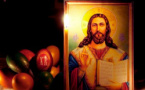
Easter is the most important religious holiday in the Orthodox Christian calendar and is widely celebrated across Bulgaria. It marks the resurrection of Jesus Christ and follows the completion of Holy Week, which includes Good Friday and Holy Saturday

Holy Saturday, known in Bulgaria as Lazarus Saturday’s continuation of the Easter cycle, is a quiet but deeply symbolic day in the Orthodox Christian calendar

Brazen Bulgarian gangs "terrorise the elderly and rob them over their life savings with increasingly aggressive phone scams nettling millions of euros," according to an AFP story.

The prospect of US President Donald Trump's moving closer to Russia has scrambled the strategy of "balancing East and West" used for decades by countries like Bulgaria, the New York Times says.

Bulgarians have benefited a lot from their EU membership, with incomes rising and Brussels overseeing politicians, according to a New York Times piece.

German businesses prefer to trade with Bulgaria rather than invest into the country, an article on DW Bulgaria's website argues.

The truth about Bulgaria and Moldova's presidential elections is "more complicated" and should not be reduced to pro-Russian candidates winning, the Economist says.

President-elect Rumen Radev "struck a chord with voters by attacking the status quo and stressing issues like national security and migration," AFP agency writes after the presidential vote on Sunday.

Aniventure Comic Con Returns to Bulgaria with Star Guest Christopher Judge!
Global Fuel Shock: Oil Jumps Over 40% Since Iran War Began