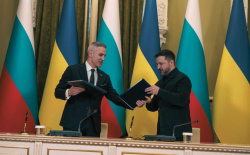
Eurostat Reports Bulgaria’s June Inflation Above EU Average
Bulgaria's inflation rate stood at 3.1% in June, according to data released by Eurostat
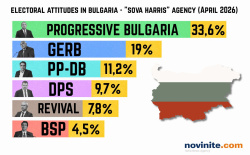
HOT: » Which party would you vote for (if you could) in the upcoming snap vote in Bulgaria on April 19?
 Send to Kindle
 Photo by bnr.bg
At the end of the first quarter of 2014, Bulgaria's government debt increased by 1.4 percentage points from the last quarter of 2013 and by 2.3 pp from the first quarter of 2013, to 20.3% of the GDP, according to Eurostat.
In the last quarter of 2013 the government debt amounted to 18.9% of the GDP and in the first quarter of 2013 it stood at 18.0% of the GDP.
At the end of the first quarter of 2014, the government debt to GDP ratio in the euro area (EA18) stood at 93.9%, compared with 92.7% at the end of the fourth quarter of 2013. This increase comes after two consecutive quarters of decrease.
In the EU28, the ratio increased from 87.2% to 88.0%. Compared with the first quarter of 2013, the government debt to GDP ratio rose in both the euro area (from 92.5% to 93.9%) and the EU28 (from 86.2% to 88.0%).
The highest ratios of government debt to GDP at the end of the first quarter of 2014 were recorded in Greece (174.1%), Italy (135.6%) and Portugal (132.9%), and the lowest in Estonia (10.0%), Bulgaria (20.3%) and Luxembourg (22.8%).
Compared with the fourth quarter of 2013, nineteen Member States registered an increase in their debt to GDP ratio at the end of the first quarter of 2014, six a decrease and Estonia no change. The highest increases in the ratio were recorded in Slovenia (+7.0 percentage points – pp), Hungary (+5.0 pp), Belgium and Portugal (both +3.9 pp). The highest decreases were recorded in Poland (-7.6 pp), Germany (-1.1 pp) and Greece (-1.0 pp).
Compared with the first quarter of 2013, sixteen Member States registered an increase in their debt to GDP ratio at the end of the first quarter of 2014, and ten a decrease. The highest increases in the ratio were recorded in Cyprus (+24.6 pp), Slovenia (+23.9 pp), Greece (+13.5 pp) and Croatia5 (+9.9 pp), while the largest decreases were recorded in Poland (-7.7 pp), Germany (-3.2 pp), the Czech Republic (-2.2 pp), Latvia (-1.4 pp) and Belgium (-0.9 pp).

Bulgaria's inflation rate stood at 3.1% in June, according to data released by Eurostat

Bulgaria recorded an increase of nearly 29% in the number of nights spent in domestic tourism in the month of May 2024

Eurostat, the European Union's statistics agency, unveiled alarming findings regarding Bulgaria's COVID-19 mortality rates in 2021, shedding light on the nation's sobering position atop the EU's death rate chart

Eurostat's latest report revealed a slowdown in annual inflation across the European Union, with the figure dropping to 2.6% in March 2024 from 2.8% the previous month

Bulgaria’s industrial sector faces a notable downturn, registering an 8.4% year-on-year decline in seasonally adjusted production for February 2024, as per the latest estimates from Eurostat

According to the European statistical office Eurostat, housing prices, measured by the House Price Index, increased by 0.2 % in the EU during the fourth quarter of 2023 compared to the same quarter of the previous year

The Ministry of Finance has released a broad public dataset covering more than 7,000 public procurement contracts with a combined value exceeding 30 billion euros
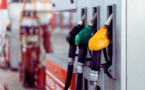
Caretaker Finance Minister Georgi Klisurski said he expects fuel prices at gas stations to ease in the coming period, pointing to a sharp decline in international oil markets
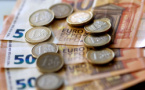
Bulgaria’s new government borrowing for 2026 has surpassed the 1 billion euro mark following the latest successful auction of state securities, according to data cited from the Bulgarian National Bank

Bulgaria recorded only a modest and one-off increase in inflation following the adoption of the euro on January 1, with the effect estimated at between 0.3 and 0.4 percentage points
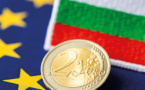
Data released by the Ministry of Finance, covering budget execution for February 2026 and preliminary estimates for March 2026, indicate a marked deterioration in Bulgaria’s fiscal position

In the 2026 edition of the Index of Economic Freedom, compiled by the Heritage Foundation, Bulgaria is placed 38th out of 176 countries, positioned between Costa Rica and Oman

Aniventure Comic Con Returns to Bulgaria with Star Guest Christopher Judge!
Global Fuel Shock: Oil Jumps Over 40% Since Iran War Began