Bulgaria Has Reduced Its CO2 Emissions At The End Of 2023
In a groundbreaking stride towards environmental sustainability, Bulgaria has emerged as a shining star in the European Union's battle against climate change
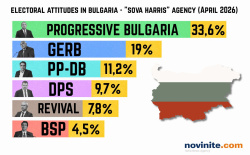
HOT: » Which party would you vote for (if you could) in the upcoming snap vote in Bulgaria on April 19?
 Send to Kindle
 Bulgaria is set to require the wider use of biofuels and to reduce its carbon output. Photo by BGNES
Bulgaria's government has approved a draft amendment to the Environmental Protection Act providing for reducing the country's greenhouse gas emissions by 6% by 2020.
The figure refers to the emissions from gas, diesel, and oil in the transport sector. The amendments also introduce changes in the Bulgarian legislation in accordance with an EU directive about the quality of fuels and carbon emissions.
Producers and importers of gas will be required to add biofuels from energy crops, such as bioethanol and biodiesel, to liquid fuels.
As of March 2012, at least diesel will be required to contain at least 6% of biodiesel, and as of March 2018, gas has to contain at least 9% of bioethanol, according to draft changes to the Renewable Energy Act.
As of the spring of 2010, diesel in Bulgaria is required to contain at least 2% of biodiesel; the introduction of at least 2% bioethanol content in gas, however, which was supposed to take effect in March 2011, will be put off for September 2014 because the Bulgarian refineries are not ready to meet the requirement so soon.
The Bulgarian Environment Ministry is convinced that the delay in the introduction of an obligatory bioethanol content will not affect the overall plan for reduction of carbon output.
The draft amendments also require that all Bulgarian companies selling fuel submit reports about the emissions generated by the fuel they sold by March 31 of each year.
Liquid fuels in transport are estimated to account for about 20% of the greenhouse gas output of the EU.

In a groundbreaking stride towards environmental sustainability, Bulgaria has emerged as a shining star in the European Union's battle against climate change

A recent report from the poverty-combating NGO, Oxfam, highlights the startling carbon footprint of the world's wealthiest individuals

The thermal power plants will operate without restrictions until 2038, and Bulgaria is abandoning its commitment to reduce carbon emissions by 40% by the end of 2025

The trade union demonstration under the slogan "To protect the country's energy security" is taking place in front of the parliament building

The way the parameters are set in the current Recovery and Resilience Plan is not good for us. The previous government had committed to a 40% reduction in carbon emissions. This means closing down specific coal-fired power plants. If this happens, it will

Gasoline in Bulgaria for the past month has become cheaper by 13 cents per liter, and the tendency is for prices to fall further. This is shown by the fuelo.net platform data
Bulgaria’s fuel market has recorded a sharp upward shift since the outbreak of the war in Iran, with diesel and petrol prices rising significantly across the country
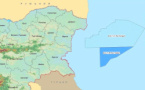
The second exploration drilling in the Krum-1 area of the Khan Asparuh block in Bulgaria’s Black Sea has also failed to identify commercially significant natural gas deposits, according to OMV Petrom

The Ombudswoman institution has voiced strong opposition to the proposed increase in heating prices in Sofia, which is expected to approach nearly 30 percent
The Energy and Water Regulatory Commission (EWRC) in Bulgaria has set the price of natural gas for April 2026 at 34.27 euros per megawatt-hour, excluding access, transmission, excise duties and VAT

Fuel prices in Bulgaria have recorded a sharp upward movement over the past month, with diesel showing the most significant increase, according to data from the Fuelo platform
Bulgargaz has defended its previously submitted proposal for a 5% rise in natural gas prices for April before the Energy and Water Regulatory Commission, with CEO Veselin Sinabov stressing that there is currently no justification for any further increases

Aniventure Comic Con Returns to Bulgaria with Star Guest Christopher Judge!
Global Fuel Shock: Oil Jumps Over 40% Since Iran War Began