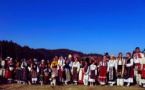
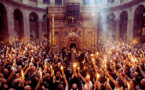
Roma from the Maskuda Roma quarters in the Black Sea City of Varna are getting ready for the New Year celebrations. Photo by BGNES
All Roma groups in Bulgaria celebrate Thursday the Roma New Year also known as Vassilitsa, the Day of Vassil (Basil) or Bango Vassili (the Lame Basil).
The celebrations have their origins in several Roma legends. In one of them Bango Vassili is a guardian and defender of the Roma and rebuilds the bridge used by them after it has been destroyed by the Devil. In others, he is a lame shepherd rescuing a drowning Roma child or giving shelter to a Roma trying to escape his enemies.
Another legend tells that St. Basil had saved all Roma from drowning in a stormy sea by sending them a flock of geese. The Roma climbed on them and were able to reach a safe shore. Since then they honor their Savior on January 14 and call the holiday Vassilitsa.
Bango Vassili is a family celebration and poultry on the table is a must. It also includes stuffed cabbages, bread, wine and home made brandy known as rakia. In all Roma groups the dinner on the eve of January 14 is of prime importance and includes rich symbolic. The meal is blessed and all are given forgiveness by kissing the hand of the person they might have offended.
All houses where Bango Vassili is celebrated are to remain locked until midnight on January 13 to prevent luck from escaping . Only after the arrival of the New Year and the Day of St. Basil, the Roma begin accepting guests, hoping the first visitor to be a good person, who will bring them luck.