“Energy Lockdown”? Expert says Europe and Bulgaria Could Face Covid-Style Restrictions
- Tweet
 Send to Kindle
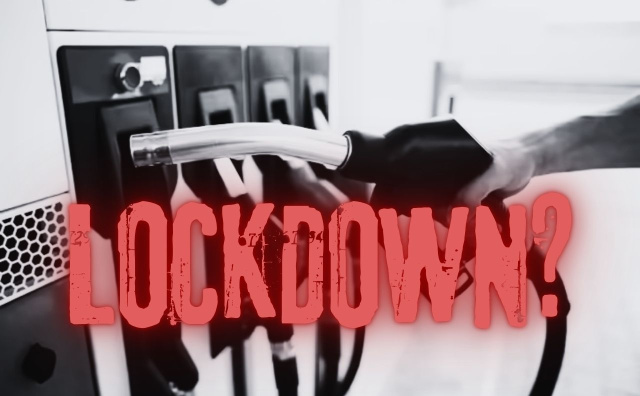
Energy expert Boyan Rashev has warned that Europe could be moving toward what he described as an “energy lockdown” scenario if fuel supply pressures continue to worsen, drawing parallels with restrictions seen during the Covid-19 pandemic. Speaking on Nova TV’s “Hello, Bulgaria,” he suggested that governments may eventually be forced to introduce measures such as working from home policies and even free public transport if shortages intensify.
Rashev argued that authorities should already be preparing contingency plans for a potential physical fuel shortage. He said that if current conditions persist through the end of April, supply constraints already visible in parts of Asia could begin affecting Europe as well. “That is why we need to start planning,” he noted, adding that production levels are currently about 13 million barrels per day lower compared to late February.
He cautioned against administrative interference in fuel pricing, saying that attempts to regulate or suppress prices could mask real market pressures while ultimately worsening shortages. In his view, limiting consumption would be more effective, particularly for diesel and kerosene, while gasoline is expected to be less affected in Europe.
Rashev pointed to measures already introduced in Germany as an example of policy responses, including a temporary reduction in energy taxes by 17 cents per liter for gasoline and diesel. He also referenced restrictions on how often fuel prices can be adjusted at the pump, noting that such steps have not delivered the desired results.
According to him, Europe’s fuel situation is becoming increasingly strained, although Bulgaria remains comparatively better positioned due to its domestic refining capacity. “Bulgaria is one of the 5 EU countries that have their own refinery,” he said, emphasizing that this provides some insulation compared to other member states.
However, he warned that broader European imbalances remain significant, particularly in gas markets, where shortages are more severe than in diesel. He also suggested that rising energy costs will likely extend to electricity prices, further increasing pressure on households and industry.
Beyond energy, Rashev highlighted emerging risks linked to agricultural inputs, noting that fertilizer shortages are developing as exports from the Gulf region decline. He warned that this could have downstream effects on food production, adding to broader inflationary pressures across the economy.
Fuel Prices Rise in Bulgaria: Diesel Nears 1.80 Euros, Petrol Also Up
Fuel prices in Bulgaria have continued to edge upward, with diesel and gasoline both registering increases in the days following the Easter holiday
Trade Unions Warn: Prices in Bulgaria Won’t Fall Back Even If Fuel Gets Cheaper
The president of the Confederation of Bulgarian Trade Unions, Plamen Dimitrov, has warned that inflation in Bulgaria is likely to exceed earlier projections, even if fuel prices begin to decline
Bulgaria Hit by Fuel Shock as Diesel Prices Surge 37% Since Iran War Began
Bulgaria’s fuel market has recorded a sharp upward shift since the outbreak of the war in Iran, with diesel and petrol prices rising significantly across the country
Bulgaria: Second Black Sea Drilling in Khan Asparuh Block Fails to Find Natural Gas
The second exploration drilling in the Krum-1 area of the Khan Asparuh block in Bulgaria’s Black Sea has also failed to identify commercially significant natural gas deposits, according to OMV Petrom

Sofia Heating Price Hike Near 30% Sparks Backlash Over Household Costs
The Ombudswoman institution has voiced strong opposition to the proposed increase in heating prices in Sofia, which is expected to approach nearly 30 percent
Bulgaria Locks in Cheaper Natural Gas for April as Azerbaijan Deal Keeps Prices Below EU Average
The Energy and Water Regulatory Commission (EWRC) in Bulgaria has set the price of natural gas for April 2026 at 34.27 euros per megawatt-hour, excluding access, transmission, excise duties and VAT