European Commission President Ursula von der Leyen and Australian Prime Minister Anthony Albanese have finalized a long-negotiated free trade agreement, marking a major step in strengthening economic ties amid growing global instability. The deal, concluded in Canberra after eight years of talks, reflects a shared effort to expand trade and reduce dependence on major powers such as the United States and China.
Von der Leyen arrived in Australia accompanied by Trade Commissioner Maros Sefcovic, with discussions taking place against the backdrop of renewed energy concerns linked to the ongoing conflict in the Middle East. Addressing lawmakers, she described the current global environment as “brutal” and stressed the need for closer cooperation between like-minded partners, particularly in reducing reliance on external suppliers for critical raw materials. Alongside the trade pact, both sides agreed to deepen cooperation in security, defense, and strategic resources.
The agreement significantly reduces trade barriers, with more than 99% of tariffs on EU exports to Australia set to be eliminated. European companies are expected to save around €1 billion annually in duties, while exports could grow by roughly one-third over the next decade. Australian tariffs on products such as wine, fruit, vegetables, and chocolate will be removed immediately, while duties on cheeses will be phased out within three years. In addition, Australia will lower tariffs on imports of key minerals, enhancing access to resources like lithium and aluminium.
Some of the most difficult issues in the negotiations involved agriculture and product naming rights. A compromise was reached allowing increased access for Australian beef into the EU market through quotas that will expand more than tenfold over ten years, although still below the levels sought by Australian producers. Separate quotas were agreed for sheep and goat meat, with phased implementation to protect European farmers. A safeguard mechanism will allow the EU to respond if imports disrupt its market.
On geographical indications, Australia secured the right to continue using certain names such as feta and gruyere where there is an established history of use. Australian winemakers will be permitted to label products as “prosecco” domestically, but must phase out the term for exports within a decade. Meanwhile, changes to Australia’s luxury car tax mean that around three-quarters of European electric vehicles will be exempt, offering a boost to EU carmakers.
The deal also reflects broader geopolitical calculations. The European Union is accelerating efforts to diversify its trade partnerships as it faces tariffs from Washington and export restrictions from Beijing, while Australia has sought new markets after trade tensions with China disrupted agricultural exports in recent years. The EU is already Australia’s third-largest trading partner and second-biggest source of foreign investment, with goods exports reaching €37 billion and services €31 billion in 2024.
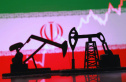
Energy security concerns have added urgency to the agreement. Rising oil prices linked to the Middle East conflict have highlighted vulnerabilities for both sides, particularly for Australia, which relies heavily on fuel imports. Fatih Birol warned that the world could face a severe energy crisis if the conflict continues, while von der Leyen called for an immediate end to hostilities, describing the situation as critical for global supply chains.
Framing the agreement as a strategic milestone, Albanese described it as a significant moment for Australia, while von der Leyen emphasized that despite geographical distance, the EU and Australia share closely aligned values and interests. The deal is expected to be formally signed once approved by the European Council and Australia’s parliament, further cementing a partnership that extends beyond trade into security and long-term geopolitical alignment.