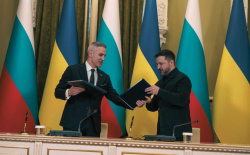
Bulgaria Expects Fuel Price Drop as Oil Falls 20%, Says Finance Minister
Caretaker Finance Minister Georgi Klisurski said he expects fuel prices at gas stations to ease in the coming period, pointing to a sharp decline in international oil markets
HOT: » Which party would you vote for (if you could) in the upcoming snap vote in Bulgaria on April 19?
 Send to Kindle
Finance Minister Georgi Klisurski said that the trajectory of prices across the economy will largely depend on developments in fuel costs, stressing that if they stabilize around €1.60 per liter, a sharp rise in the prices of other goods is unlikely. Speaking in a morning interview on Nova TV, he noted that a further increase, however, would inevitably push up transport costs, which would then be reflected in food prices. According to him, expectations remain tied to the situation in Iran, seen as the root cause of the current volatility.
At present, average diesel prices in Bulgaria stand at around €1.59 per liter, while gasoline remains slightly lower at approximately €1.43. Klisurski pointed out that the government’s previously approved €20 support measure for individuals will only be triggered if fuel prices continue rising over a three-day period.
He warned that if prices climb to between €1.70 and €1.80 per liter, inflation could accelerate by between half and one percentage point annually. With inflation currently hovering around 4%, this could push it to between 4.5% and 5%. Despite this, the minister underlined that current fuel price levels are still below those recorded in 2022.
Klisurski also linked rising electricity costs to energy producers, suggesting that compensating businesses would be an appropriate response. He explained that such support could be financed through surplus revenues in the Electricity System Security Fund, avoiding additional burden on taxpayers while helping to keep electricity prices manageable for companies.
In addition, the government is considering targeted relief for the transport sector. One option under discussion is to refrain from increasing toll charges for vehicles over 3.5 tonnes from April 1, as part of broader efforts to contain the economic impact of rising fuel prices.
Caretaker Finance Minister Georgi Klisurski said he expects fuel prices at gas stations to ease in the coming period, pointing to a sharp decline in international oil markets
Fuel prices in Germany have recently reached new highs, with diesel briefly exceeding 2.40 euros per litre during the Easter holiday period before easing slightly afterward

Fares for the Bucharest metro system are set to increase by 40 percent starting May 1, according to a draft regulation published by Romania’s Ministry of Transport and reported by Agerpres.
Bulgaria’s fuel market has recorded a sharp upward shift since the outbreak of the war in Iran, with diesel and petrol prices rising significantly across the country

Lufthansa is considering the temporary grounding of around 20 aircraft as rising fuel costs, linked to tensions from the war in Iran, continue to put pressure on the aviation sector

The European Commission has urged member states to prepare for possible energy shortages linked to the ongoing conflict involving Iran, warning that disruptions in global oil and gas supply chains could become prolonged
Bulgaria’s fuel market has recorded a sharp upward shift since the outbreak of the war in Iran, with diesel and petrol prices rising significantly across the country
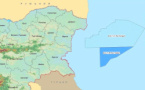
The second exploration drilling in the Krum-1 area of the Khan Asparuh block in Bulgaria’s Black Sea has also failed to identify commercially significant natural gas deposits, according to OMV Petrom

The Ombudswoman institution has voiced strong opposition to the proposed increase in heating prices in Sofia, which is expected to approach nearly 30 percent
The Energy and Water Regulatory Commission (EWRC) in Bulgaria has set the price of natural gas for April 2026 at 34.27 euros per megawatt-hour, excluding access, transmission, excise duties and VAT

Fuel prices in Bulgaria have recorded a sharp upward movement over the past month, with diesel showing the most significant increase, according to data from the Fuelo platform
Bulgargaz has defended its previously submitted proposal for a 5% rise in natural gas prices for April before the Energy and Water Regulatory Commission, with CEO Veselin Sinabov stressing that there is currently no justification for any further increases

Aniventure Comic Con Returns to Bulgaria with Star Guest Christopher Judge!
Global Fuel Shock: Oil Jumps Over 40% Since Iran War Began