The Power of Knowledge Lies in Its Use
Dr. Boyko Takov: Analytical and empirical results from ongoing projects constitute a solid information base
Business | April 9, 2026, Thursday // 18:21
HOT: » Which party would you vote for (if you could) in the upcoming snap vote in Bulgaria on April 19?
 Send to Kindle
In Bulgaria, energy experts are calling for greater transparency in fuel pricing, focusing on the role of Lukoil Neftochim, which dominates the country’s oil market. Speaking on Nova TV, Elenko Bozhkov and Ivan Hinovski highlighted the monopoly’s influence and the distortions it creates in fuel costs.
Ivan Hinovski, representing the Bulgarian Energy and Mining Forum, emphasized that Lukoil Neftochim has controlled Bulgaria’s fuel sector for two decades, holding around 90% of the country’s reserves. He argued that the state should reveal the structure of production costs to clarify where price distortions occur. According to Hinovski, the ex-factory price (the cost at which fuel leaves the refinery) should be transparent, including storage costs. He warned that while prices can be artificially lowered, the risk of arbitrage by Lukoil remains high. Hinovski also noted that a reopening of the Strait of Hormuz could help stabilize oil prices globally, indirectly benefiting domestic fuel costs.
The International Energy Agency’s recent release of 400 million barrels of oil raises further questions about pricing along the supply chain. Hinovski stressed that these barrels should be sold at their purchase prices plus a reasonable storage markup, rather than allowing excessive profit margins.
Elenko Bozhkov, former Deputy Minister of Energy, added that there are grounds for suspicion regarding favoritism in Bulgaria’s fuel production. He pointed to the rehabilitation of contracts with Botas and ongoing talks between Bulgarian and Turkish energy officials, suggesting that some historical negotiations had been concealed. Bozhkov argued that clear disclosure of production costs across technologies, including electricity, would provide a foundation for fair compensation and oversight.
Bozhkov further recommended implementing measures to control profit margins, either within the framework of the Competition Protection Commission or through a price ceiling, to prevent monopolistic exploitation and ensure fair pricing for Bulgarian consumers.
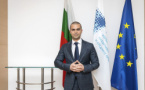
Dr. Boyko Takov: Analytical and empirical results from ongoing projects constitute a solid information base
The European Public Prosecutor’s Office (EPPO) has carried out a series of coordinated investigative actions across several countries, including Bulgaria and Romania, as part of a probe into suspected large-scale fraud involving EU funds
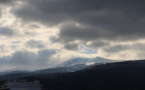
Holiday weather conditions are expected to remain mixed across Bulgaria, with alternating periods of sunshine and rain showers, according to the forecast
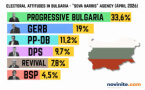
A new survey by the “Sova Harris” agency indicates that six political formations would enter the next Bulgarian National Assembly, based on data collected between April 2 and 6 among 800 respondents through standardized face-to-face interviews

Up to 90 percent of construction and renovation workers in Bulgaria are operating outside the legal framework, according to entrepreneur Lozan Lozanov, who raised concerns about the lack of regulation in construction and installation services
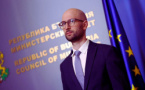
The Ministry of Finance has released a broad public dataset covering more than 7,000 public procurement contracts with a combined value exceeding 30 billion euros
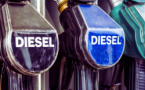
Bulgaria’s fuel market has recorded a sharp upward shift since the outbreak of the war in Iran, with diesel and petrol prices rising significantly across the country
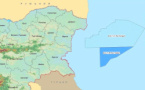
The second exploration drilling in the Krum-1 area of the Khan Asparuh block in Bulgaria’s Black Sea has also failed to identify commercially significant natural gas deposits, according to OMV Petrom

The Ombudswoman institution has voiced strong opposition to the proposed increase in heating prices in Sofia, which is expected to approach nearly 30 percent
The Energy and Water Regulatory Commission (EWRC) in Bulgaria has set the price of natural gas for April 2026 at 34.27 euros per megawatt-hour, excluding access, transmission, excise duties and VAT
Fuel prices in Bulgaria have recorded a sharp upward movement over the past month, with diesel showing the most significant increase, according to data from the Fuelo platform
Bulgargaz has defended its previously submitted proposal for a 5% rise in natural gas prices for April before the Energy and Water Regulatory Commission, with CEO Veselin Sinabov stressing that there is currently no justification for any further increases

Aniventure Comic Con Returns to Bulgaria with Star Guest Christopher Judge!
Global Fuel Shock: Oil Jumps Over 40% Since Iran War Began