Bulgaria Expects Fuel Price Drop as Oil Falls 20%, Says Finance Minister
Caretaker Finance Minister Georgi Klisurski said he expects fuel prices at gas stations to ease in the coming period, pointing to a sharp decline in international oil markets
HOT: » Which party would you vote for (if you could) in the upcoming snap vote in Bulgaria on April 19?
 Send to Kindle
Natural gas prices in Europe climbed sharply, rising 8% in early trading today following warnings from Russian President Vladimir Putin that Moscow could halt deliveries to the continent. The announcement came amid soaring energy costs linked to the Middle East conflict and threats of European sanctions on Russian gas and liquefied natural gas (LNG) imports.
By 10:15 Bulgarian time, April futures on the Dutch TTF hub reached 54.00 euros per megawatt-hour, approaching the nearly three-year highs of around 65.50 euros/MWh recorded on March 3. The spike follows disruptions to regional energy flows after U.S. and Israeli strikes on Iran, which triggered retaliatory attacks and paralyzed shipping through the Strait of Hormuz. LNG production in Qatar and Saudi Arabia’s largest oil refinery has also been affected.
Putin linked the rising oil and gas prices to “aggression against Iran” and Western sanctions on Russian oil, noting that European buyers are willing to pay more for natural gas in the current volatile situation. When asked about the EU’s plans to ban Russian gas imports via pipelines from 2027 and LNG contracts from April 2026, Putin suggested it might be more profitable for Russia to redirect supplies to other emerging markets rather than continue selling to Europe.
“Now other markets are opening up. It may be more profitable to stop supplying Europe and focus on these new markets. This is not a decision yet, but something we are considering,” Putin said, emphasizing that the move would be driven by market opportunities rather than politics.
Russian gas exports to Europe have already fallen sharply over recent years. Russia once supplied around 40% of EU pipeline gas, but last year this share dropped to just 6%, according to EU data. Gazprom, Russia’s state-owned gas giant, has also seen its market value decline from over USD 330 billion in 2007 to about USD 40 billion today.
Despite this, Putin insisted that Russia remains a reliable energy partner and highlighted that buyers willing to pay higher prices have emerged due to the current crisis, particularly in the Middle East. He suggested that some Western suppliers, including U.S. companies, might withdraw from the European market in favor of these higher-paying customers.
Moscow has increasingly turned toward China for energy exports, including oil, pipeline gas, and LNG. “Russia continues to work with reliable partners, including European ones, such as Slovakia and Hungary, while also expanding into other markets,” Putin added.
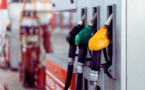
Caretaker Finance Minister Georgi Klisurski said he expects fuel prices at gas stations to ease in the coming period, pointing to a sharp decline in international oil markets
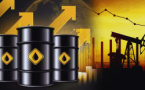
Global markets reacted sharply after US President Donald Trump stepped back from imminent military action against Iran, instead tying a suspension of strikes to Tehran’s agreement to a temporary ceasefire and the reopening of the Strait of Hormuz

Housing prices in Bulgaria have surged by 157% between 2015 and the end of 2025
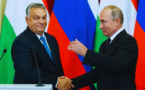
A leaked transcript of a phone call between Hungarian Prime Minister Viktor Orban and Russian President Vladimir Putin shows Orban offering extensive support to Moscow and describing himself as ready to help “in any way” in relation to the war in Ukraine

Specialists in the real estate and tourism sectors are forecasting a notable rise in the prices of vacation properties in Bulgaria, with estimates pointing to an increase of between 25% and 30%
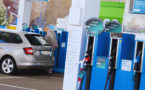
Fuel prices in Germany have recently reached new highs, with diesel briefly exceeding 2.40 euros per litre during the Easter holiday period before easing slightly afterward

The caretaker government has approved a decision endorsing the Partnership Agreement between the European Union and its Member States and the Mercosur bloc

US Vice President JD Vance launched a sharp attack on the European Union during a visit to Budapest, accusing Brussels of interfering in Hungary’s election just days before a closely contested vote that could reshape the country’s political landscape
Fuel prices in Germany have recently reached new highs, with diesel briefly exceeding 2.40 euros per litre during the Easter holiday period before easing slightly afterward
A recently revised German military service framework has triggered public debate after it emerged that it places new travel-related obligations on men aged between 17 and 45

Spain has officially launched its system of digital identity, which came into effect on April 2 and grants the electronic version of the national identity card the same legal validity as the physical document

Unemployment in the euro area edged up slightly in February, reaching 6.2% compared to the record low of 6.1% recorded in January, according to figures released by Eurostat

Aniventure Comic Con Returns to Bulgaria with Star Guest Christopher Judge!
Global Fuel Shock: Oil Jumps Over 40% Since Iran War Began