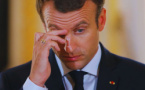
French President Emmanuel Macron delivered a keynote address on France’s nuclear strategy from a military base hosting the country’s ballistic missile submarines, outlining a significant update to the nation’s deterrence doctrine. Macron said France is entering a new phase of nuclear readiness, one that complements NATO’s broader nuclear posture, and invited European partners to participate in nuclear deterrence exercises. “What I’d like is for Europeans to regain control of their own destiny,” he remarked.
The address signaled that France plans to increase its nuclear warheads for the first time in decades. Macron stressed that the arsenal remains a tool for peace but warned that it could be employed in a way “that no country, no power, however strong, could recover.” He also announced a Paris summit on March 10 to promote civilian nuclear energy and encourage broader European cooperation in the field. The speech reflected growing concerns in Europe following Russia’s invasion of Ukraine and recent tensions with US President Donald Trump over NATO commitments, Greenland, and Ukraine.
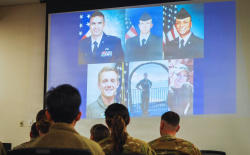
France, the only nuclear power within the European Union, maintains full independence over its nuclear forces while contributing to NATO’s deterrence posture. Its doctrine emphasizes defensive capabilities to protect the nation’s vital interests. The president, as commander-in-chief under the Constitution, alone decides on the potential use of nuclear weapons. France operates four nuclear-armed submarines - Le Triomphant, Le Téméraire, Le Vigilant, and Le Terrible - permanently based at Île Longue, with at least one on patrol at all times, ensuring continuous strike capability. The country also maintains the Charles de Gaulle aircraft carrier, capable of delivering nuclear weapons via Rafale fighter jets. France is estimated to have around 290 warheads, with over 80% submarine-launched, making it the world’s fourth-largest nuclear power after Russia, the United States, and China.
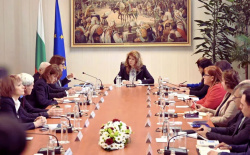
In a related move, France and the United Kingdom signed a joint declaration to coordinate their nuclear forces for the first time, a step described by British Prime Minister Keir Starmer as “historic.” The Northward Declaration establishes an oversight committee to align strategic planning while allowing each nation to retain independent decision-making. Macron emphasized that the agreement is not connected to Ukraine but strengthens European security amid doubts about US commitment to defend the continent.
The Franco-British coordination underlines growing European concern over trans-Atlantic reliability. Macron has proposed a broader strategic dialogue to extend France’s nuclear protection to other European allies. While the US continues to maintain nuclear forces and thousands of troops in Europe, France’s and the UK’s moves aim to ensure a credible independent deterrent. France spends roughly €5.6 billion annually to maintain its submarine- and air-launched arsenal, reflecting a significant investment in Europe’s strategic autonomy. Starmer called the agreement “truly historic,” signaling closer collaboration between Europe’s two major nuclear powers while preserving operational independence.
This new posture highlights France’s effort to reinforce its deterrence role within Europe, respond to global uncertainties, and assert strategic autonomy in a shifting geopolitical landscape. By combining nuclear modernization, European coordination, and continued investment in civilian nuclear energy, Macron positions France as both a defender and a stabilizing force on the continent.