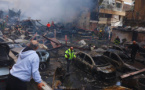
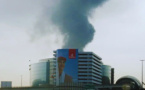
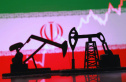
QatarEnergy has suspended production of liquefied natural gas and related products following drone strikes on its facilities in Ras Laffan Industrial City and Mesaieed Industrial City. The state-owned company described the halt as a precautionary step and said further updates would be issued as the situation becomes clearer. The Qatari defence ministry confirmed that drones launched from Iran targeted an energy installation in Ras Laffan and a water tank at a power plant in Mesaieed. No casualties have been reported.
The disruption carries weight far beyond Qatar’s borders. The country is among the world’s top LNG exporters and is expected to account for roughly a quarter of projected global LNG supply growth over the coming decade. Ras Laffan, often referred to as the global centre of LNG production, houses export capacity of around 77 million tonnes per year, making it the largest such terminal worldwide. In addition to LNG, the complex includes facilities producing LPG, ethane, sulphur and natural gas liquids.
A prolonged shutdown at Ras Laffan could reverberate across international gas markets, particularly in Asia-Pacific and Europe, where Qatar supplies long-term contracted volumes. The Strait of Hormuz, through which nearly all Qatari LNG cargoes pass, has already faced restricted access amid the regional conflict, compounding concerns over export flows. Since hostilities escalated on 28 February, LNG loading operations had continued, though no carriers have transited the strait. Vessel tracking data indicated three LNG tankers were berthed at Ras Laffan earlier in the day.
The latest strikes underscore a broader pattern of attacks on Gulf energy infrastructure. Saudi Aramco’s Ras Tanura refinery was also reportedly forced to halt operations following a drone assault. Analysts suggest the strategy appears aimed at exerting pressure on regional producers by targeting critical facilities, heightening volatility in global energy markets and adding fresh upward pressure on oil and gas prices.