IMF Slashes Eurozone Growth to 1.1% as Energy Crisis Bites
The International Monetary Fund has revised downward its outlook for the euro area, now projecting economic growth of 1.1% this year
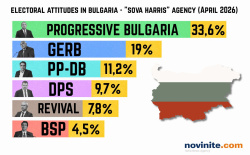
HOT: » Which party would you vote for (if you could) in the upcoming snap vote in Bulgaria on April 19?
 Send to Kindle
Bank of Greece Governor Yannis Stournaras has once again voiced his support for elevating the euro’s role in the global financial system, emphasizing the need for it to function as a reserve currency used in international transactions. In an interview with the German outlet Handelsblatt, Stournaras underlined that this shift cannot happen without deeper integration and a more dynamic, growth-oriented eurozone economy.
He argued that such progress is essential, especially given Europe’s high exposure to shifts in global economic conditions. The EU’s openness, he noted, makes it particularly susceptible to external shocks, and greater cohesion would provide the resilience needed to face such vulnerabilities.
Despite current challenges, Stournaras pointed to recent EU policy initiatives as signs that the Union is becoming increasingly robust and capable of strategic, long-term planning. In his view, these developments mark a turning point, suggesting that the bloc is laying the groundwork for greater financial and political stability.
On the domestic front, the Greek central banker spoke confidently about the country’s readiness to navigate the future. Since the 2010 debt crisis, Greece has undergone significant economic reform, with structural overhauls across key sectors. The government has succeeded in reducing bureaucratic red tape, pushing forward digital modernization efforts, and investing heavily in infrastructure - changes that Stournaras believes have fundamentally strengthened the Greek economy.
He also reflected on the broader lessons the EU has drawn from the crisis that once brought Greece to the brink. Chief among them, he said, is the importance of acting swiftly during times of turmoil, coordinating across member states, and steering clear of austerity policies that risk producing counterproductive outcomes.
The International Monetary Fund has revised downward its outlook for the euro area, now projecting economic growth of 1.1% this year

The introduction of the euro in Bulgaria has so far produced only a limited and largely one-off effect on consumer prices, according to an analysis by the European Central Bank

A criminal network linked to Bulgaria has been accused of defrauding dozens of elderly people in northern Greece through an elaborate telephone scam that resulted in losses exceeding 600,000 euros, according to Kathimerini.

Unemployment in the euro area edged up slightly in February, reaching 6.2% compared to the record low of 6.1% recorded in January, according to figures released by Eurostat
With the initial months following the introduction of the euro, institutional oversight in Bulgaria is gradually shifting from intensive inspections to a more systematic and long-term monitoring framework

The United States is expanding shipments of liquefied natural gas to Southeast Europe and Ukraine via Greece, according to remarks by the US Ambassador to Athens, Kimberly Guilfoyle

The European Union has agreed on a major overhaul of its steel import regime, effectively doubling tariffs in an effort to protect domestic producers from what officials describe as a growing wave of low-cost foreign, particularly Chinese, exports
The introduction of the euro in Bulgaria has so far produced only a limited and largely one-off effect on consumer prices, according to an analysis by the European Central Bank

Viktor Orban’s long hold on power has come to an abrupt end after a decisive electoral victory by Péter Magyar, whose Tisza party is projected to secure a commanding parliamentary majority

NEW POLL: HUNGARIANS UNITED ON NEED FOR A ‘DIFFERENT’ RELATIONSHIP WITH THE EU, BUT DIVERGENCES REMAIN ON UKRAINE
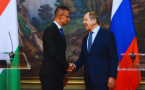
A group of Members of the European Parliament has raised concerns over the potential leakage of confidential EU information to Russia, urging stronger safeguards within the European Parliament
The European Public Prosecutor’s Office (EPPO) has carried out a series of coordinated investigative actions across several countries, including Bulgaria and Romania, as part of a probe into suspected large-scale fraud involving EU funds

Aniventure Comic Con Returns to Bulgaria with Star Guest Christopher Judge!
Global Fuel Shock: Oil Jumps Over 40% Since Iran War Began