The Euro Effect: Austria’s Economy, Nostalgia, and the Path Ahead for Bulgaria
Austria’s transition from the schilling to the euro offers a revealing example for Bulgaria, which is set to adopt the single currency in less than three months
HOT: » Which party would you vote for (if you could) in the upcoming snap vote in Bulgaria on April 19?
 Send to Kindle
 DW
DW
Austria's Conservative Chancellor Sebastian Kurz resigned on Saturday to save his coalition government from the brink of collapse, as the Greens' junior coalition partner put the request as the only possible condition for keeping the coalition after Kurz became the target of investigation on suspicion of corruption, reports Reuters.
Kurtz's move, which continues to deny the allegations, satisfied the Greens and came just three days before a special session of parliament, at which they were preparing to support a no-confidence motion that would force him to step down. At the same time, his resignation is more formal than real in terms of politics. He plans to remain the leader of his party and lead its parliamentary group, thus retaining control over it.
"That is why I would like to pave the way for an end to a dead end, to prevent chaos and to guarantee stability," Kurz said in a statement to the media. He added that he was proposing that Foreign Minister Alexander Schalenberg, a career diplomat, take over as chancellor, whom the Greens have indicated they approve of.
"I believe this is the right step for the government's future work," Greens leader and Vice Chancellor Werner Kogler said in a statement, adding that he had a "very constructive" working relationship with Schalenberg and would meet with him on Sunday.
Schalenberg, 52, who worked with Kurz when Kurz was foreign minister before becoming chancellor, is unlikely to oppose a man to whom he owes his ministerial career, observers said. Prosecutors are investigating Kurz and nine others on suspicion of breach of trust, corruption and bribery with varying levels of involvement.
/Focus

Austria’s transition from the schilling to the euro offers a revealing example for Bulgaria, which is set to adopt the single currency in less than three months

Bulgarian author Georgi Gospodinov is making waves in Europe once again

Austria’s long-held policy of neutrality is facing fresh scrutiny, as Foreign Minister Beate Meinl-Reisinger openly questioned whether the doctrine still ensures national security in the face of rising global tensions and an increasingly assertive Russia

Austria will hold three days of national mourning following the deadly school shooting in the city of Graz

At least five people have reportedly died following a school shooting in the Austrian city of Graz

A tragic accident occurred on the A25 highway near Wels, Austria, when a minibus carrying eight Bulgarian citizens crashed into a truck
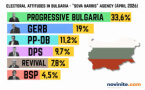
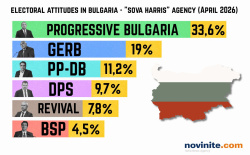
A new survey by the “Sova Harris” agency indicates that six political formations would enter the next Bulgarian National Assembly, based on data collected between April 2 and 6 among 800 respondents through standardized face-to-face interviews

Bulgaria is bracing for an increase in disinformation activity in the run-up to the parliamentary elections on April 19, with authorities warning of coordinated attempts to influence voters and destabilize public trust

The Prosecutorial College of the Supreme Judicial Council has declined to remove Borislav Sarafov from his position as Acting Prosecutor General, despite calls from the Justice Ministry to act following a recent Constitutional Court ruling

The government has decided to withdraw all three Bulgarian nominations for the position of European Prosecutor, effectively restarting the procedure after identifying serious flaws in the initial selection process

President Iliana Yotova convened a meeting of institutions responsible for the conduct of the early parliamentary elections on April 19, with a focus on assessing preparedness and ensuring that every vote is properly safeguarded

Bulgaria’s caretaker Foreign Minister Nadezhda Neynsky said the announcement of a two-week ceasefire between the United States and Iran brought a sense of relief after weeks of escalating tensions in the Middle East

Aniventure Comic Con Returns to Bulgaria with Star Guest Christopher Judge!
Global Fuel Shock: Oil Jumps Over 40% Since Iran War Began