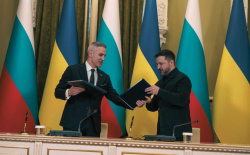
Majority of Bulgarians Fear Impact of Green Deal on Electricity Bills
Amid the implementation of measures under the European Union's Green Deal, 64% of Bulgarians have identified the escalating electricity prices as their top concern
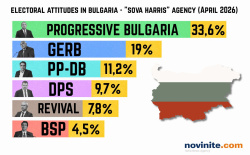
HOT: » Which party would you vote for (if you could) in the upcoming snap vote in Bulgaria on April 19?
 Send to Kindle
 Bulgaria's Deputy Prime Minister Tomislav Donchev, photo by BGNES
Bulgaria’s government opposes the planned increase in power rates as of July 1, according to Deputy Prime Minister Tomislav Donchev.
Speaking after a Sunday meeting at the Council of Ministers, Donchev made clear that all political parties had expressed their opposition to the measures proposed by the Commission for Energy and Water Regulation (KEVR).
Under the proposal of KEVR, industrial consumers face a power price hike of 13-20% as of July 1.
He noted that Sunday’s meeting had been organized to discuss opportunities for alleviating the difficult situation in the energy sector.
Donchev, as cited by the Focus news agency, said that the measures had been discussed by ministers, KEVR representatives, and members of “all political parties, except for one.”
He underscored that Bulgaria’s energy sector was plagued by a deficit amounting to around BGN 4 B, which had been accumulated over the past 5 years.
Donchev admitted that a number of other EU Member States were facing similar energy sector deficit rates.
He declared that the set of measures proposed by KEVR had been met with a range of responses, adding that the “Preparation and Market Liberalization” section of the report was “indisputable.”
Donchev opposed allegations that Bulgarian politicians were seeking easy options to protect their interests in the energy sector and in renewable energy production in particular.
Meanwhile, Energy Minister Temenuzhka Petkova said that all participants in Sunday’s meeting had agreed on the need to implement measures to support the energy sector.
She underscored that KEVR had been authorized to implement such measures, adding that the government had amended the Energy Act to make the energy watchdog an independent entity.
Petkova, as cited by the Focus news agency, said that the participants in the meeting had decided to give priority treatment to the goal of reducing the expenses of state-owned energy companies.
She informed that the expenses of state-owned energy firms would drop by 10% on an annual basis over the next three years.

Amid the implementation of measures under the European Union's Green Deal, 64% of Bulgarians have identified the escalating electricity prices as their top concern

Energy-intensive industries in Bulgaria are facing a severe threat of curtailed operations or potential closures due to the soaring electricity prices

The name of the person who currently keeps social peace in Bulgaria is Ivan Ivanov, head of the Energy and Water Regulatory Commission.

The Energy Ministry and other government departments will prepare measures in support of businesses that have been put in a tight corner by the high electricity prices in recent months.

“We will not allow a sharp increase in the price of natural gas, nor electricity and heating,” said Chair of the Energy and Water Regulatory Commission (KEVR) Ivan Ivanov during his hearing in parliament on the proposals for new electricity and heating pr

GERB party will put forward a government despite the small chances that it will be supported, announced at a briefing at the party's headquarters, Deputy Prime Minister Tomislav Donchev shortly before 1 p.
Bulgaria has secured a six-month extension of the Lukoil waiver, following a decision by the US Treasury Department’s Office of Foreign Assets Control (OFAC)
Energy expert Boyan Rashev has warned that Europe could be moving toward what he described as an “energy lockdown” scenario if fuel supply pressures continue to worsen
Fuel prices in Bulgaria have continued to edge upward, with diesel and gasoline both registering increases in the days following the Easter holiday
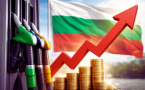
The president of the Confederation of Bulgarian Trade Unions, Plamen Dimitrov, has warned that inflation in Bulgaria is likely to exceed earlier projections, even if fuel prices begin to decline
Bulgaria’s fuel market has recorded a sharp upward shift since the outbreak of the war in Iran, with diesel and petrol prices rising significantly across the country
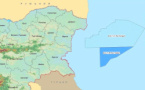
The second exploration drilling in the Krum-1 area of the Khan Asparuh block in Bulgaria’s Black Sea has also failed to identify commercially significant natural gas deposits, according to OMV Petrom

Aniventure Comic Con Returns to Bulgaria with Star Guest Christopher Judge!
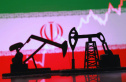
Global Fuel Shock: Oil Jumps Over 40% Since Iran War Began