Bulgaria Expects Fuel Price Drop as Oil Falls 20%, Says Finance Minister
Caretaker Finance Minister Georgi Klisurski said he expects fuel prices at gas stations to ease in the coming period, pointing to a sharp decline in international oil markets
HOT: » Which party would you vote for (if you could) in the upcoming snap vote in Bulgaria on April 19?
 Send to Kindle
 The information the government has restricted the production of the cheapest electric power comes amidst unprecedented since 1997 huge protest rallies against utility bills, monopolies, poverty and the political model of ruling the country. Photo by BGNES
The outgoing government of Citizens for European Development of Bulgaria party, GERB, has restricted the production of the cheapest electric power, according to the National Electric Company, NEK.
Managers from NEK, cited by the BGNES news agency, have explained in reality this would mean a new hike in consumers' electric bills.
According to the Company, on Friday, production of electricity from the Marita Iztok 2 Thermal Power Plant, TPP, has been limited to unprecedented low levels on the order of the Electric System Operator, which is under NEK and the Ministry of Economy and Energy.
The TPP produces the cheapest electricity of Bulgaria.
Meanwhile, Mituy Hristozov from NEK, speaking for Darik radio, said production in Water Power Plants, WPP, has been either stopped or limited to the minimum as well.
Hristozov explained the move has been grounded on low consumption and too many renewable sources plants.
He added that all Marita TPPs and TPP Bobovdol are working at a minimum production, while TPPs Varna and Dimitrovgrad have stopped. Only the Kozloduy Nuclear Power Plant, NPP, and the solar plants are functioning at full speed.
Hristozov declined commenting on the effect of this on electric bills, but in stressing the electricity from Marita Iztok is the cheapest, hinted prices for consumers might go up.
The site OFFNews cites own undisclosed sources saying the stopping of the WPP aims at reducing electricity prices, but it would lead to the layoff of 25 000 people.
The State Commission for Energy and Water Regulation, DKEVR, and all three power distributors have proposed to lower these prices between 5% and 7%, effective March 1.
The information comes amidst unprecedented since 1997 huge protest rallies against utility bills, monopolies, poverty and the political model of ruling the country, lasting for weeks already and ongoing on Sunday.
They led to the resignation of the government of Prime Minister, Boyko Borisov, and his ruling party GERB.
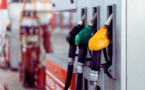
Caretaker Finance Minister Georgi Klisurski said he expects fuel prices at gas stations to ease in the coming period, pointing to a sharp decline in international oil markets

Global markets reacted sharply after US President Donald Trump stepped back from imminent military action against Iran, instead tying a suspension of strikes to Tehran’s agreement to a temporary ceasefire and the reopening of the Strait of Hormuz

Housing prices in Bulgaria have surged by 157% between 2015 and the end of 2025

Specialists in the real estate and tourism sectors are forecasting a notable rise in the prices of vacation properties in Bulgaria, with estimates pointing to an increase of between 25% and 30%
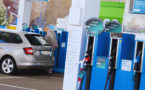
Fuel prices in Germany have recently reached new highs, with diesel briefly exceeding 2.40 euros per litre during the Easter holiday period before easing slightly afterward

Fares for the Bucharest metro system are set to increase by 40 percent starting May 1, according to a draft regulation published by Romania’s Ministry of Transport and reported by Agerpres.
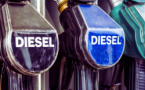
Bulgaria’s fuel market has recorded a sharp upward shift since the outbreak of the war in Iran, with diesel and petrol prices rising significantly across the country
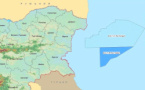
The second exploration drilling in the Krum-1 area of the Khan Asparuh block in Bulgaria’s Black Sea has also failed to identify commercially significant natural gas deposits, according to OMV Petrom

The Ombudswoman institution has voiced strong opposition to the proposed increase in heating prices in Sofia, which is expected to approach nearly 30 percent
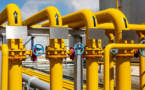
The Energy and Water Regulatory Commission (EWRC) in Bulgaria has set the price of natural gas for April 2026 at 34.27 euros per megawatt-hour, excluding access, transmission, excise duties and VAT
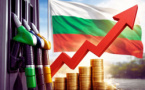
Fuel prices in Bulgaria have recorded a sharp upward movement over the past month, with diesel showing the most significant increase, according to data from the Fuelo platform
Bulgargaz has defended its previously submitted proposal for a 5% rise in natural gas prices for April before the Energy and Water Regulatory Commission, with CEO Veselin Sinabov stressing that there is currently no justification for any further increases

Aniventure Comic Con Returns to Bulgaria with Star Guest Christopher Judge!
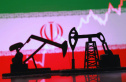
Global Fuel Shock: Oil Jumps Over 40% Since Iran War Began