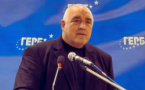
Bulgaria's Prime Minister, Boyko Borisov (l), and Interior Minister, Tsvetan Tsvetanov (r), holding their heads during the opening of the 8th Congress of the labor union "Podkrepa." Photo by BGNES
There is a proposal to increase minimum monthly wages in Bulgaria by BGN 30, beginning July 1, Social Policy and Labor Minister, Totyu Mladenov, informs.
Mladenov spoke Tuesday during the 8th Congress of the trade union Confederation of Labor (KT) "Podkrepa" (Support), held at the National Palace of Culture in the capital Sofia.
According to the Minister, about 128 000 Bulgarians received minimum wages, meaning the increase would cost the State treasury BGN 3 M. Negotiations are to begin on March 31.
The trade unions recently asked for a BGN 50 increase. The current minimum monthly wage is BGN 240.
Finance Minister, Simeon Djankov, however, has been firm budget 2011 does not have funds slated for retirement pensions or salaries increase.
On the other recent, hot topic, Mladenov declared before the Congress' delegates the cabinet will continue its fight against disloyal businesses delaying payment of salaries and appealed to all 3 000 employers to be unwavering against those who tarnish their name.