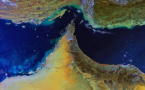
The United States has moved forward with a major escalation in its conflict with Iran, enforcing a naval blockade on all Iranian ports as of Monday, targeting traffic through the Strait of Hormuz, a route that typically carries around one-fifth of the world’s crude oil supply. The measure took effect at 14:00 GMT, following the collapse of negotiations in Islamabad over the weekend, which had aimed to secure a longer-term settlement after a recently agreed ceasefire.
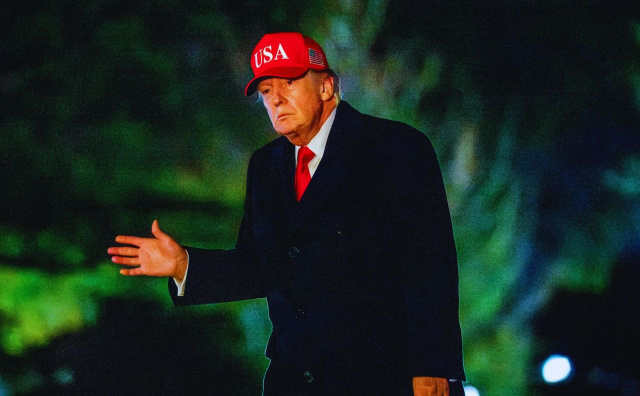
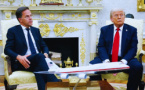
President Donald Trump framed the move as decisive and immediate, declaring that the US Navy would begin stopping vessels linked to Iran and warning that ships paying what he described as “illegal tolls” would not be granted safe passage. At the same time, he signaled indifference toward renewed diplomacy, stating bluntly that he “doesn’t care” whether Tehran returns to the negotiating table. Despite the failed talks, he insisted the ceasefire is “holding well.”
Washington clarified that the blockade applies specifically to vessels traveling to or from Iranian ports, while ships operating between non-Iranian destinations would still be allowed to pass. Vice President JD Vance defended the decision, accusing Iran of “economic terrorism” for effectively restricting movement through the strait. “Two can play at that game,” he said, arguing that the US response mirrors Tehran’s own actions.
Iran reacted sharply, warning that any military presence near the strait would be treated as a violation of the ceasefire. The Islamic Revolutionary Guard Corps said approaching forces would be met “harshly and decisively,” insisting the country maintains full control over the waterway. Officials described the US action as “piracy,” emphasizing that Iranian ports are “either for everyone or for no one.” Navy chief Shahram Irani dismissed the blockade as “ridiculous and funny,” while authorities said they are closely monitoring all US military movements in the region.
Foreign Minister Abbas Araghchi accused Washington of derailing negotiations just as a potential agreement was within reach, citing “maximalism, shifting goalposts, and blockade.” He concluded with a pointed message: “Good will begets good will. Enmity begets enmity.” Parliament Speaker Mohammad Bagher Ghalibaf echoed the defiant tone, stating that Iran would respond in kind if attacked, but remain open to dialogue “if they come forward with logic.” He also warned of economic repercussions, suggesting Americans would soon “be nostalgic for USD 4-USD 5 gas.”
Senior figures in Tehran argued the blockade would ultimately fail. Mohsen Rezaee described the plan as “doomed,” pointing to what he called Iran’s “untapped leverage” in the confrontation.
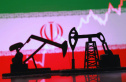
The impact on global markets was immediate. Oil prices surged above USD 100 per barrel once again, with energy markets reacting to fears of prolonged disruption. US Energy Secretary Chris Wright said prices are likely to continue rising until tanker traffic resumes at scale, predicting a potential peak “in the next few weeks.” He warned that higher oil costs would translate into sustained pressure on fuel prices for consumers.
Shipping activity in the Strait of Hormuz has already been severely affected. Maritime data indicates that traffic effectively halted following the announcement, with some vessels turning back mid-journey. Asian stock markets also opened lower, reflecting growing concern over supply chain disruptions. Japan’s Nikkei index fell by 0.84 percent, while South Korea’s Kospi dropped by 1.83 percent.
The broader regional conflict continues to intensify. In Lebanon, Israeli strikes across the south have resulted in further casualties, with the death toll exceeding 2,000 since early March. Hezbollah claimed responsibility for launching rocket barrages into northern Israel, targeting areas including Kiryat Shmona in response to what it described as repeated ceasefire violations. Israeli forces carried out additional air raids near multiple towns, while a drone incursion triggered alarms in northern Israel before being intercepted.
Lebanese Prime Minister Nawaf Salam said his government remains focused on ending the war, securing Israeli withdrawal, and rebuilding affected communities. Meanwhile, the United Nations peacekeeping mission reported incidents involving Israeli tanks striking its vehicles, underscoring the volatility on the ground.
Israeli Prime Minister Benjamin Netanyahu confirmed that operations in southern Lebanon are ongoing, stating that the military has neutralized the threat of a Hezbollah ground incursion but will continue actions within what he described as a “security zone.” Israel maintains that the current ceasefire framework does not apply to its campaign against Hezbollah.
The human toll of the conflict continues to rise across multiple fronts. Iranian authorities report more than 3,000 deaths since the start of US-Israeli strikes in late February. In Lebanon, over 2,000 people have been killed, while casualties have also been recorded in Gulf states, Israel, and among US forces.
Diplomatic tensions have also spilled into other arenas. Trump intensified his criticism of Pope Leo XIV, calling him “weak” and “terrible for foreign policy” after the pontiff spoke out against the war. The pope has indicated he will continue voicing opposition despite the criticism.
Although channels of communication between Washington and Tehran remain open, with discussions reportedly ongoing about a possible second round of talks, the immediate trajectory points toward further confrontation. With the blockade now in force and both sides issuing warnings, the situation in the Strait of Hormuz has become a central flashpoint with global economic and security implications.