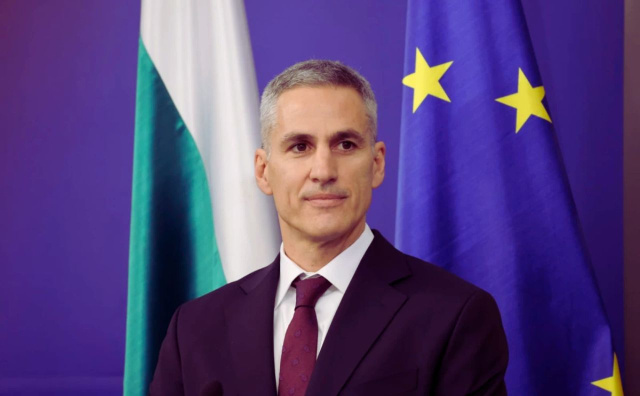
Acting Prime Minister Andrey Gyurov
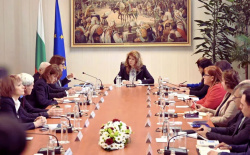
Acting Prime Minister Andrey Gyurov reported that law enforcement has detained 223 people so far in connection with alleged vote-buying schemes, framing the issue as a central challenge to the legitimacy of Bulgaria’s democratic process. Speaking at the start of a Council of Ministers meeting, he argued that efforts to secure free elections are themselves a question of state legitimacy, insisting that the government would continue its campaign against electoral corruption “no matter how much they stab us in the back.”
Gyurov drew a direct comparison between the number of detainees and the size of parliament, noting that there are 240 members of parliament in total. “If we wonder whether this is a lot or a little, let us remember how many MPs there are,” he said, suggesting that the scale of alleged vote-buying attempts was significant enough to influence the composition of the legislature. He questioned who might be attempting to “enter parliament through the moneylenders,” implying organized efforts to distort electoral outcomes.
He strongly criticized practices he described as coercive and degrading, claiming that some citizens are effectively forced to choose between basic needs and exercising their voting rights. “It is unacceptable for people to choose between voting and a hot lunch,” Gyurov said, adding that vote trading reportedly occurs in conditions where ballots are exchanged for small amounts of money or basic goods such as food items. He called such practices “humiliating” and said they undermine the democratic process.
The acting prime minister also directed remarks toward the Ministry of Interior, stressing its role not only as a security institution but as a guarantor of democratic freedom. Addressing Interior Minister Emil Dechev, he said police presence in communities should be visible and protective, emphasizing that officers must be “in the field” so citizens feel safeguarded when exercising their rights.
Gyurov also described observations from a recent visit to Yakoruda, where he said officials witnessed what he called a climate of silence and fear. According to him, residents are reluctant to speak openly due to perceived links between elections and access to basic services such as firewood, food assistance, and social support. “When they think that these things are connected, then they are not free,” he said, arguing that such conditions undermine genuine electoral choice.
He reiterated that the government’s broader objective is to restore public trust and ensure that the state is perceived as being alongside citizens rather than above them. “Our mission remains to show people that the state is not above them, but next to them,” Gyurov stated, presenting the anti-corruption drive as part of a wider effort to strengthen democratic participation and reduce dependency-based voting practices.