The conflict between the United States, Israel and Iran entered its 38th day amid parallel developments on the battlefield and in diplomacy, highlighting both a possible opening for de-escalation and the persistent risk of further escalation. Discussions involving Washington, Tehran and regional mediators are currently focused on a proposed 45-day ceasefire, which is being considered as a first step toward a broader and potentially lasting agreement to end the war. The plan envisions an initial temporary truce, during which more comprehensive negotiations would take place, followed by a second phase aimed at reaching a full settlement.
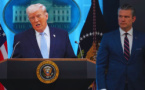
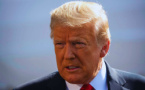
The urgency surrounding these talks has intensified after US President Donald Trump extended his deadline for Iran to reopen the Strait of Hormuz. Having first set a shorter timeline, he pushed it to Tuesday evening, stating there remains a realistic chance for an agreement, while simultaneously warning of strikes on Iranian infrastructure if no progress is made. Tehran has rejected the pressure, insisting the strategic waterway will remain closed until compensation for war damages is addressed.
At the same time, hostilities have continued across the region. Iran launched new missile and drone attacks targeting Israel, Kuwait and the United Arab Emirates, prompting active air defense responses. Kuwaiti forces intercepted incoming threats both overnight and in the early hours, while in Abu Dhabi debris from an intercepted projectile injured a foreign worker. UAE authorities later confirmed the situation was under control, lifting emergency alerts and reassuring residents that normal life could resume. In Fujairah, a drone struck a telecommunications facility without causing casualties.
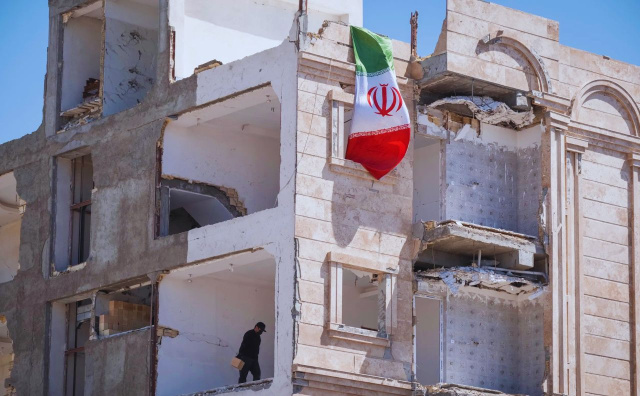
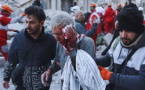
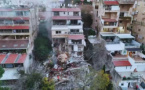
Israel also carried out fresh strikes on targets in Tehran, which Iranian media reported included residential areas. One of the deadliest incidents occurred near the capital, where an airstrike hit a residential building, killing at least 13 people. Additional damage was reported at a university facility, leading to temporary gas outages in parts of the city, according to state media.
Tensions were further inflamed by direct warnings from Iran’s military leadership, which signaled that any further attacks on civilian infrastructure would trigger a significantly more destructive response. This came after Trump publicly threatened to target Iran’s power plants and transport networks if his demands were not met, drawing sharp criticism from Democratic politicians in the United States, who described the rhetoric as dangerous and irresponsible.
Amid the military developments, attention also turned to a reported rescue operation involving a US airman whose aircraft had gone down over Iran. Israeli Prime Minister Benjamin Netanyahu suggested that Israel had assisted in the mission, describing the cooperation as unprecedented. The incident has added another layer to the already complex military coordination between allies.
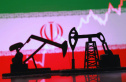
The broader regional impact of the conflict continues to grow. The United Arab Emirates and Bahrain have called on the United Nations Security Council to address the crisis around the Strait of Hormuz, warning that the disruption now threatens global energy security and international trade. The blockade has already had a visible effect on markets, with oil prices surging sharply. Brent crude rose above 110 dollars per barrel, while US crude traded even higher, reflecting increased pressure on supply routes. Other benchmarks, including Russian and Middle Eastern crude, also climbed significantly.
Despite some signs of easing in financial markets, such as a slight pullback in gold prices, the overall economic outlook remains uncertain as investors react to mixed signals from both the battlefield and diplomatic channels. The war, which began at the end of February, has already resulted in thousands of casualties, disrupted key shipping lanes and intensified geopolitical competition over resources and strategic corridors.
While negotiations continue, the situation remains highly volatile. The prospect of a ceasefire offers a potential pathway out of the conflict, but ongoing strikes, political tensions and competing demands suggest that any resolution remains fragile and far from guaranteed.