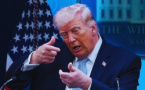
On day 34 of the war, U.S. President Donald Trump declared in a televised address that the conflict with Iran is approaching its final phase, suggesting that American involvement could last another two to three weeks. He insisted that key military objectives are close to being achieved and described the campaign as a necessary response to decades of hostility from Tehran and its allies. At the same time, he warned that the United States is ready to escalate further if needed, repeating threats to strike critical infrastructure and saying Iran could be pushed “back to the stone ages.” Despite the strong rhetoric, the president offered no clear timeline for ending the war or details about a concrete exit strategy, leaving open questions about the next steps, including whether ground operations could follow.
In parallel, Trump again cast doubt on the value of NATO, indicating he may reconsider U.S. membership after the conflict. He criticized allies for refusing to provide military support or access to bases and suggested the alliance risks becoming a one-sided arrangement. His remarks came as several European countries continue to limit their involvement, while political divisions deepen across the West over the direction of the war.
On the battlefield, tensions remain high. Israeli defenses intercepted multiple Iranian missile launches, including during the first night of Passover, while strikes linked to Israel in Lebanon reportedly killed dozens within a single day. In the Gulf, air defense systems in the UAE were activated to counter missile and drone threats, with authorities later confirming the situation was under control. Meanwhile, the Iran-backed group Hezbollah said it had carried out rocket and drone attacks targeting northern Israel, triggering air raid sirens but causing no immediate casualties.
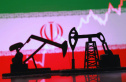
The conflict is also having a growing global impact, particularly through the disruption of the Strait of Hormuz, a critical artery for energy supplies. Trump downplayed its importance for the United States, arguing that the country does not depend on oil shipments passing through the route and can rely on its own production. He suggested that other nations should take responsibility for securing the passage and even encouraged them to purchase energy from the U.S. However, analysts warn that the closure of the strait, which handles around 20 percent of global oil flows, continues to shake markets and drive up prices worldwide.
Energy markets reacted immediately after Trump’s speech, with Brent crude rising above 105 dollars per barrel and U.S. benchmarks also climbing sharply. Fuel prices have surged, with American gasoline exceeding 4 dollars per gallon, while global supply concerns persist. Economists caution that even if the war ends soon, damaged infrastructure and disrupted supply chains could keep prices elevated for a prolonged period.
Concerns about the broader economic fallout are also being voiced by allies. Australian Prime Minister Anthony Albanese said the original military goals appear to have been met, but questioned what further objectives remain and what the end point of the conflict looks like. Australia, heavily reliant on energy imports through Hormuz, has already experienced panic buying and fears of shortages, prompting calls for reduced fuel consumption and greater use of public transport.
At home, Trump’s address drew mixed reactions. Members of his administration and Republican allies praised the speech as a clear presentation of progress and strategy, while critics argued it lacked substance. Some pointed to the absence of concrete plans for ending the war and raised concerns about its economic consequences. White House officials, however, said the goal of the address was to reassure the public and highlight military successes, even as opinion polls suggest growing fatigue among Americans.
More than a month into the conflict, the situation remains volatile. With no definitive end in sight and global repercussions intensifying, the coming weeks are expected to be decisive both on the battlefield and for the broader international response.