From 2015 to 2025: Bulgaria Sees One of EU’s Strongest Housing Price Booms
Housing prices in Bulgaria have surged by 157% between 2015 and the end of 2025
HOT: » Which party would you vote for (if you could) in the upcoming snap vote in Bulgaria on April 19?
 Send to Kindle
European governments are rolling out a range of measures aimed at easing the pressure of rising fuel prices, with approaches varying from tax cuts to direct market intervention.
Poland has moved to significantly reduce the tax burden on fuel by cutting VAT from 23% to 8%. In addition, authorities plan to introduce a daily price cap on gasoline, to be set by the energy minister, alongside a tax targeting excess profits of oil companies. The proposals are expected to pass through parliament quickly, with officials saying consumers could see relief even before the Catholic Easter.
Germany has opted for regulatory limits on price fluctuations at fuel stations. Under the new rules approved in Berlin, prices may only be increased once per day, specifically at midday. This comes in response to a system where fuel costs vary throughout the day, often multiple times.
Italy, for its part, is addressing the fiscal impact of earlier measures. The government has allocated €417 million to offset losses in the state budget caused by reduced excise duties on fuel, maintaining its effort to keep prices in check.
In the United Kingdom, authorities are considering targeted subsidies aimed at supporting vulnerable groups most affected by higher fuel costs, though no final decision has yet been announced.
Austria has also introduced a set of interventions, including a cap on fuel prices and reductions in excise duties and trade margins, which are expected to lower prices by around 10 cents per liter. The country has revised its pricing rules as well, allowing stations to adjust prices up to three times a week instead of once daily. Fuel prices there currently hover around €1.70 per liter, with some locations approaching the €2 threshold. Analysts describe these steps as typical short-term crisis responses, noting that while they can bring quick relief, their long-term impact remains uncertain. Rising fuel costs have already fed into broader inflation, with everyday expenses, such as food purchases in Vienna, increasing by €7 to €10 per week.

Housing prices in Bulgaria have surged by 157% between 2015 and the end of 2025

Specialists in the real estate and tourism sectors are forecasting a notable rise in the prices of vacation properties in Bulgaria, with estimates pointing to an increase of between 25% and 30%
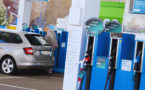
Fuel prices in Germany have recently reached new highs, with diesel briefly exceeding 2.40 euros per litre during the Easter holiday period before easing slightly afterward
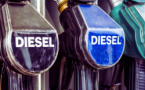
Bulgaria’s fuel market has recorded a sharp upward shift since the outbreak of the war in Iran, with diesel and petrol prices rising significantly across the country

Nikolay Vassilev, former Minister of Economy, dismissed claims that prices in Bulgaria have doubled following eurozone-related developments, arguing instead that inflation remains low and that public fears about sharp price increases are exaggerated.

Restaurant and café prices in Bulgaria have increased sharply over the past decade, rising by close to 110%, according to analysis by the Institute for Market Economics
Fuel prices in Germany have recently reached new highs, with diesel briefly exceeding 2.40 euros per litre during the Easter holiday period before easing slightly afterward
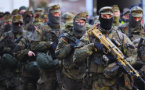
A recently revised German military service framework has triggered public debate after it emerged that it places new travel-related obligations on men aged between 17 and 45

Spain has officially launched its system of digital identity, which came into effect on April 2 and grants the electronic version of the national identity card the same legal validity as the physical document

Unemployment in the euro area edged up slightly in February, reaching 6.2% compared to the record low of 6.1% recorded in January, according to figures released by Eurostat

Gibraltar is set to be integrated into the Schengen system for land crossings starting July 15, following an agreement between the European Union and the United Kingdom regarding the territory’s future arrangements

A Bulgarian citizen has been elected mayor of the French town of Saint-Maximin de la Baume, located in the Provence region, after winning a closely contested runoff vote.

Aniventure Comic Con Returns to Bulgaria with Star Guest Christopher Judge!

Global Fuel Shock: Oil Jumps Over 40% Since Iran War Began