The war between the United States-Israel and Iran entered its 26th day with mixed signals around diplomacy and continued escalation on the ground. US President Donald Trump said a potential agreement with Tehran could be approaching, noting that Vice President JD Vance and Secretary of State Marco Rubio are involved in the process. Sources indicate that communication channels between Washington and Tehran have been opened, although Iran has made it clear it does not wish to negotiate with figures such as Steve Witkoff or Jared Kushner, instead preferring contact through the US vice president. Despite talk of a possible meeting in Islamabad, skepticism remains high about whether such talks will materialize. Tehran has publicly denied that negotiations with Washington are taking place, even as regional diplomatic contacts continue with countries including Egypt, Pakistan and Oman.
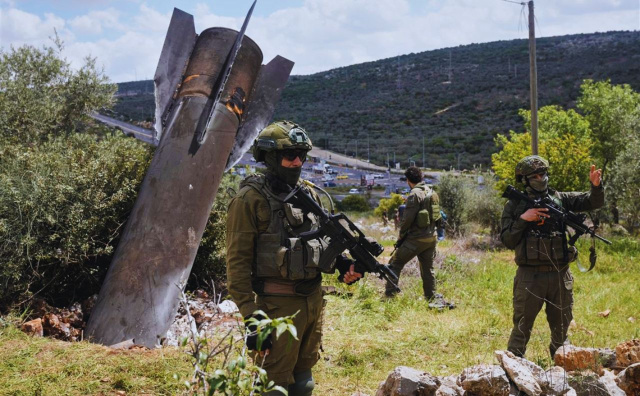
At the same time, military preparations and operations are intensifying. Around 1,000 US troops from the 82nd Airborne Division are expected to deploy to the Middle East in the coming days. Israeli authorities are preparing to expand reserve mobilization to 400,000 personnel, while operations continue in Lebanon, including strikes targeting infrastructure along the Litani River. Lebanese officials accuse Israel of attempting to isolate entire regions. The conflict has already resulted in heavy casualties, with more than 1,000 people reportedly killed in Israeli strikes, including over 100 children. Iran has also reported attacks on sensitive sites, including a strike near the Bushehr nuclear facility, describing it as a renewed assault by US and Israeli forces.
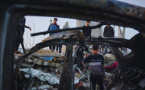
Exchanges of fire remain ongoing across multiple fronts. Iranian missiles have triggered alerts across Israel, including in Tel Aviv and surrounding areas, with some projectiles intercepted and others causing damage and injuries. In Bnei Barak, a strike wounded nine people, including six children, while earlier attacks in Tel Aviv caused additional injuries and structural damage. Investigations are underway into how certain missiles penetrated Israel’s air defense systems. Elsewhere in the region, Bahrain and Saudi Arabia reported intercepting missiles and drones, while Kuwait confirmed a strike on a fuel tank at its international airport that caused a fire, though no casualties were reported. The frequency of attacks from Iran toward Gulf states appears to have decreased, but the threat remains persistent.
The broader regional impact is becoming increasingly visible, particularly in the energy sector. The effective closure of the Strait of Hormuz continues to disrupt global oil flows, prompting warnings of “economic terrorism” from energy leaders. Several countries have taken emergency measures, including the Philippines, which declared a national energy emergency over supply concerns, and South Korea, which is considering limiting exports of key petrochemical materials. Trump hinted at a possible Iranian “goodwill gesture” related to oil and gas flows through the strait, though no concrete details have been confirmed.
Inside Iran, political shifts are also underway. Mohammad Bagher Zolghadr, a veteran of the Islamic Revolutionary Guard Corps, has been appointed to lead national security following the death of Ali Larijani in an Israeli strike. Analysts interpret the move as a sign of tighter control by Supreme Leader Ayatollah Mojtaba Khamenei. Meanwhile, Iranian officials maintain a hardline stance, rejecting US claims of negotiations and insisting that military operations will continue. Statements from military representatives underline that there will be no return to pre-war conditions or oil market stability until Iran’s objectives are met.
The human toll of the war continues to rise. Iranian authorities report that at least 243 students and teachers have been killed since the conflict began on February 28. On the US side, around 290 service members have been injured, although most have since returned to duty. In Lebanon, Israeli strikes have killed at least nine people in multiple areas, including attacks on residential areas and refugee camps. Hezbollah claimed it forced an Israeli jet to retreat after targeting it with surface-to-air missiles, though Israel has not commented on the incident.
Diplomatic efforts remain fragmented. Qatar says it is working closely with Washington to help end the conflict but is not directly mediating between the two sides. Saudi Arabia has signaled it wants Iran’s missile capabilities significantly reduced before any resolution is reached. Regional voices, including Qatar’s former prime minister, warn that Gulf states must be included in any future negotiations, stressing that decisions affecting the region cannot be made without them. At the same time, political divisions persist in Washington, where Senate Republicans have once again blocked efforts to require congressional approval for further military action against Iran.