The war initiated by the United States and Israel against Iran entered its 25th day on Tuesday, with reports of both potential diplomatic engagement and continuing military escalation. President Donald Trump stated that Washington was engaged in discussions with Tehran, suggesting a broader peace agreement might be achievable, though Iranian officials firmly rejected these claims, dismissing them as an attempt to buy time while the US deploys additional forces to the region. Trump also announced a five-day pause on planned US strikes targeting Iranian power plants and energy infrastructure.
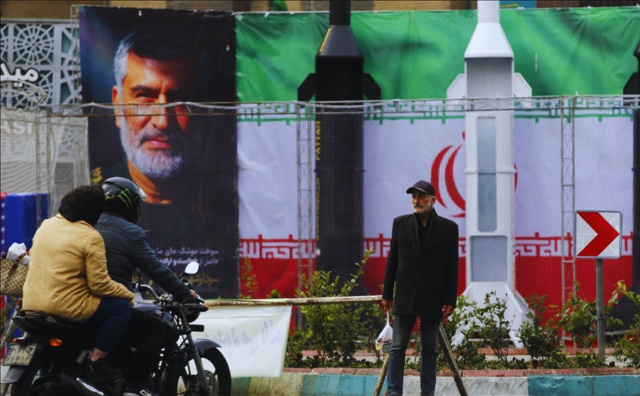
On the ground, Iran launched another missile salvo at Israel, while Gulf states reported repeated interceptions of drones and missiles. Fighting intensified in Lebanon and Iraq, highlighting the broader regional dimension of the conflict. In Iran, the US ultimatum demanding that Tehran reopen the Strait of Hormuz was extended for five days. Despite international pressure and economic repercussions, Iranian Foreign Minister Abbas Araghchi reaffirmed that Iran’s position on the strait remains unchanged. Pro-government rallies took place across Iranian cities, demonstrating public support for the regime’s defiance. Pakistani Prime Minister Shehbaz Sharif confirmed discussions with Iranian President Masoud Pezeshkian, underlining Pakistan’s commitment to facilitating peace efforts.
In the Gulf, multiple missile and drone attacks were intercepted. Kuwait’s air defenses responded repeatedly in one night, while Saudi Arabia blocked approximately 20 drones targeting the Eastern Province, home to critical energy infrastructure. Bahrain issued multiple warnings, and the UK deployed short-range air defense systems to the region to support Gulf partners. Regional officials and civilians alike are urging dialogue to reduce tensions.
Within the United States, the White House maintained that discussions with Iran remain fluid, cautioning against assuming an imminent agreement. The Pentagon relocated its press offices following legal challenges to new press credential rules. The US Embassy in Mauritania raised its threat level due to recent security concerns.
In Israel, the Iranian missile salvo targeted northern regions, with the Israeli military’s air defense systems largely intercepting the threat, though malfunctions in the “David’s Sling” system allowed two missiles to strike the south, injuring dozens. Israeli Prime Minister Benjamin Netanyahu said he had spoken with Trump, who reportedly believes military gains could be converted into a negotiated settlement that secures Israel’s interests.
Across Lebanon, Iraq, and Syria, hostilities continued. Israeli strikes hit southern Beirut, targeting Hezbollah infrastructure and damaging key facilities, complicating humanitarian access for over one million displaced people. Syria reported missile attacks on a northeastern base, with Iraq experiencing US strikes against Iran-backed armed groups, including an attack on the headquarters of commander Saad Dawai. Iraq has become a secondary battleground, with local populations caught between US operations and Iranian-aligned militias.
Energy markets have been heavily affected by the conflict. The closure of the Strait of Hormuz disrupted oil supplies, particularly impacting South Korea and Japan. The UAE’s energy company chief labelled Tehran’s blockade “economic terrorism,” citing surging oil prices and risks to global supply chains.
On Day 25, the situation remains tense. Trump’s decision to postpone attacks on Iranian energy infrastructure offered temporary relief to markets and reduced pressure on oil prices, yet Iran and Israel continue military exchanges, and violence against Palestinians in the West Bank has intensified. Diplomatic efforts continue, with Pakistan proposing talks and the European Commission advocating negotiations to end hostilities.
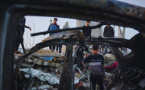
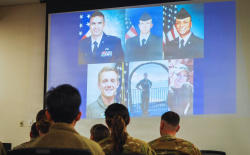
Casualty figures highlight the human toll of the conflict: more than 2,000 deaths have been reported across the Middle East, including over 1,200 in Iran from Israeli and US strikes, at least 1,000 in Lebanon, and 15 in Israel. Thirteen US service members have died, with two additional deaths from noncombat causes. The conflict’s economic, humanitarian, and security implications remain severe, as global attention focuses on whether the brief pause in US strikes will open a window for meaningful dialogue.