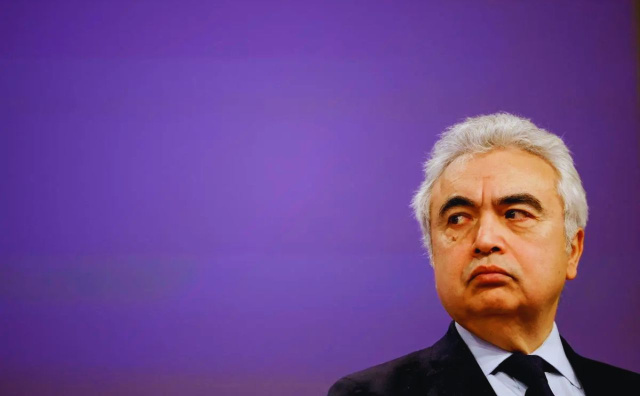
Fatih Birol, head of the International Energy Agency
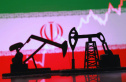
Fatih Birol, head of the International Energy Agency, issued a stark warning on Monday, describing the global economy as facing an unprecedented crisis due to the ongoing US-Israel war against Iran and the closure of the strategic Strait of Hormuz. Speaking at Australia’s National Press Club in Canberra, Birol compared the current situation to a combination of the oil shocks of the 1970s and the fallout from Russia’s invasion of Ukraine, calling it “two oil crises and one gas crisis put all together.” He emphasized that no nation would remain unaffected if the crisis continues and urged immediate global action.
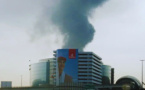
Birol highlighted the extensive damage to energy infrastructure in the Gulf region, noting that at least 40 energy assets have been severely affected, meaning that even if hostilities end, energy supply will not quickly return to normal. He underscored the critical role of the Hormuz Strait, through which roughly 20% of the world’s oil passes, saying that reopening it is the “single most important solution” to stabilizing markets. The IEA chief warned that the disruption extends beyond oil, affecting petrochemicals, fertilizers, sulfur, and helium supplies, intensifying global economic risks.
He provided a stark comparison of losses: the two oil crises of 1973 and 1979 removed about 5 million barrels per day each, and Russia’s 2022 invasion of Ukraine eliminated roughly 75 billion cubic meters of natural gas from international markets. By contrast, the current crisis, triggered by bombings in Tehran on 28 February, has already caused daily losses of 11 million barrels of oil and about 140 billion cubic meters of gas, far surpassing previous disruptions.
In response to the escalating shortages, the IEA last week released 400 million barrels from strategic reserves, marking its largest emergency measure in history. Birol indicated that this initial release represented only 20% of available emergency stocks and that additional releases could be considered if market conditions demanded. He stressed, however, that while such measures may relieve short-term pressures, they do not solve the fundamental problem, which remains the closure of the Hormuz Strait and ongoing hostilities.
The closure has had significant regional impacts, with the Asia-Pacific particularly affected. Birol noted that defensive stockpiling by some nations adds further strain on the global system. Meanwhile, US President Donald Trump issued a 48-hour ultimatum to Iran to reopen the strait, warning of further attacks on Iranian energy infrastructure if the deadline is ignored, while Iran responded by threatening strikes on US and regional energy and desalination facilities.
The IEA chief emphasized the need for international coordination to prevent a deepening energy crisis. He noted ongoing consultations with leaders in Europe, Asia, and North America to assess the potential for further emergency oil releases and to ensure that supply disruptions do not spiral into broader economic instability. Birol concluded by stressing that global cooperation is essential: if the crisis continues unchecked, no country will be immune from its effects.