European Gas Prices Rise Amid Middle East Conflict Concerns
- Tweet
 Send to Kindle
 @Pixabay
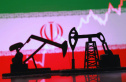
Natural gas prices in Europe increased by 2% during early trading on Monday, as ongoing conflict in the Middle East injected fresh volatility into the market. By 1:30 p.m. Bulgarian time, Dutch TTF futures had risen about 2%, returning above €40 per megawatt-hour, inching closer to the 10-month high of 41 euros reached on October 7. This rise follows a surge in oil prices, as markets weigh the risk of a broader regional conflict stemming from escalating tensions between Israel and Iran, which could potentially impact gas supplies.
Over the weekend, Hezbollah launched a drone attack near Israeli Prime Minister Benjamin Netanyahu's residence. In response, Israel conducted fresh military strikes targeting Hezbollah positions in Lebanon, which is backed by Iran. Israel has also vowed retaliation against Iran for a large-scale missile attack on the European nation earlier in October.
Geopolitical uncertainties have driven fluctuations in gas prices recently, emphasizing Europe's vulnerability as the heating season begins. A key worry for the energy market is the possibility of a blockade of the Strait of Hormuz, a crucial route for LNG and oil shipments from the Persian Gulf.
Chevron Corp., which operates Israel’s Leviathan and Tamar offshore gas fields, confirmed on Monday that operations remain normal. “We continue to provide natural gas to our customers in Israel and the region from both Leviathan and Tamar,” said spokeswoman Sally Jones in a statement to Bloomberg.
Florence Schmit, a European energy strategist at Rabobank, highlighted that the market remains cautious about a possible Israeli reaction to the Iranian attack on October 1, which adds pressure to an already tight winter outlook for European gas. “This uncertainty is keeping TTF futures within the 39-40 euros/MWh range as we wait for more clarity on geopolitical developments,” she noted.
Meanwhile, a sudden cold snap is expected to hit Europe later this month, challenging the region’s energy infrastructure and its substantial natural gas reserves. Major cities like London, Paris, and Berlin could see temperatures dip below seasonal averages next week, according to Bloomberg’s weather forecast model.
Currently, Europe’s gas supply remains stable, with more LNG shipments arriving and pipeline flows from Norway resuming.

EU Hits Chinese Steel With 50% Tariffs in Major Industry Protection Move
The European Union has agreed on a major overhaul of its steel import regime, effectively doubling tariffs in an effort to protect domestic producers from what officials describe as a growing wave of low-cost foreign, particularly Chinese, exports

ECB: Euro Adoption Brought Only Limited, One-Off Price Impact in Bulgaria
The introduction of the euro in Bulgaria has so far produced only a limited and largely one-off effect on consumer prices, according to an analysis by the European Central Bank

End of an Era: Orban Ousted as Magyar Wins the Elections in Hungary
Viktor Orban’s long hold on power has come to an abrupt end after a decisive electoral victory by Péter Magyar, whose Tisza party is projected to secure a commanding parliamentary majority

Hungarians Agree On Need For A “Different” EU Relationship, But Split On Ukraine Stance
NEW POLL: HUNGARIANS UNITED ON NEED FOR A ‘DIFFERENT’ RELATIONSHIP WITH THE EU, BUT DIVERGENCES REMAIN ON UKRAINE
EU Panic Deepens Over Hungary-Russia Ties and Possible Secret Leaks
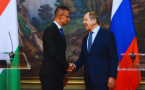
A group of Members of the European Parliament has raised concerns over the potential leakage of confidential EU information to Russia, urging stronger safeguards within the European Parliament
European Prosecutors Raid Bulgaria and Romania in €10M EU Funds Fraud Probe
The European Public Prosecutor’s Office (EPPO) has carried out a series of coordinated investigative actions across several countries, including Bulgaria and Romania, as part of a probe into suspected large-scale fraud involving EU funds