The Air in the Classrooms in Bulgaria - Dangerous for the Children’s Health
- Tweet
 Send to Kindle
 www.pixabay.com
The air in the classrooms in Bulgaria - dangerous for the health of children, data from an international school air quality survey shows. It was held in 6 European capitals, including Sofia.
Eight schools in the capital participated in the survey. Values of fine particulates way above the normal were reported in 5 of the 8 buildings. There is also a problem with the increased amount of nitrogen and carbon dioxide - the latter of which, according to health experts, leads to a lower concentration of the students and difficult absorption of the material.
Sofia's 97th school has found a way to purify the air. This is taken care of by hundreds of pots with plants down the hallways and in classrooms. Thus, it is the only school with lower levels of carbon dioxide even from the outside. The idea was proposed by a biology teacher.
"They absorb the harmful gases and process them accordingly into the oxygen needed for the breathing process," Maria Dikova explained.
However, in almost all other schools extreme levels of carbon dioxide are detected.
"It is not dangerous, but it is worrying that classrooms are not ventilated enough," said Dr. Alexander Simidchiev, a pulmonologist.
In some classrooms, the other pollutant, dust particles, is up to 4 times above the norm. Experts advise the schools to build a better ventilation and to clean the rooms more frequent with a damp cloth. It is found that almost every student in Europe breathes dirty air.
”Nitrogen dioxide has been measured inside the classrooms of all schools. Because there are no sources of nitrogen dioxide in schools, these levels can only come from outdoor air pollution and traffic in particular, ”said Anne Stauffer of the Health and Environment Alliance.
“Naturally, schools which were closer to major thoroughfares, had higher levels of pollution than those in large gardens outside Sofia's major transport corridors," added Dr. Alexander Simidchiev.
The municipality is considering creating buffer zones around schools to prohibit traffic during peak morning hours. According to experts, more parents will take their children to school on foot rather than by car. The proposal has been sent to all school principals in Sofia, and three have already given their consent.
Next school year it will become clear whether the changes will enter into force.

Bulgaria’s Doctors Demand 25% Pay Rise as Health System “On the Brink”
The Bulgarian Medical Association has called for an urgent overhaul of healthcare funding, insisting on a 25 percent increase in the prices of clinical pathways and all medical services, alongside a revision of the user fee for hospital stays

Measles Cases in Bulgaria Rise Above 70, Most Infections Concentrated in Vratsa Region
Health authorities report that measles infections in Bulgaria have surpassed 70 confirmed cases, with a total of 73 registered as of April 3
Measles Cases Rise to 66 in Bulgaria as Sofia Records First Infection
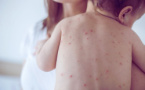
Health authorities have reported a total of 66 confirmed measles cases in Bulgaria, with the first infection now recorded in Sofia, according to data published on the Ministry of Health’s epidemic monitoring platform.
Bulgaria Equips All Emergency Centers with Fentanyl Antidote amid Rising Overdose Risks
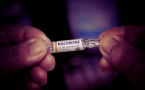
All emergency medical centers across Bulgaria have now been equipped with the opioid antidote Naloxone, a development confirmed by the Ministry of Health. The drug is used in cases of overdose and is considered critical for saving lives in emergencies inv
Measles Cases in Bulgaria Rise to 43, Majority Among Children
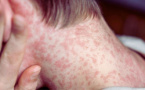
A total of 43 measles infections have been recorded across three regions in Bulgaria, according to data released by the Ministry of Health on March 30
Over 17,000 Abortions Reported in Bulgaria Last Year, 1,600 Involving Teenagers
Last year, Bulgaria recorded over 17,000 abortions, according to data compiled by the National Center for Public Health and Analysis