Eurostat Reports Bulgaria’s June Inflation Above EU Average
Bulgaria's inflation rate stood at 3.1% in June, according to data released by Eurostat
HOT: » Which party would you vote for (if you could) in the upcoming snap vote in Bulgaria on April 19?
 Send to Kindle
 Photo by EPA/BGNES
Bulgaria had the lowest hourly labor costs in the EU in 2013, yet it was the country to register the highest increase in the segment since 2008, according to Eurostat.
According to Eurostat data, in 2013 Bulgaria registered the lowest hourly labor costs among EU member states, at EUR 3.7, followed by Romania with EUR 4.6.
In 2013, average hourly labor costs in the whole economy (excluding agriculture and public administration) were estimated to be EUR 23.7 in the EU28 and EUR 28.4 in the euro area (EA17).
The highest hourly labor costs were registered in Sweden (EUR 40.1), Denmark (EUR 38.4), Belgium (EUR 38.0), Luxembourg (EUR 35.7) and France (EUR 34.3).
Within the business economy, labor costs per hour were highest in industry (EUR 24.6 in the EU28 and EUR 31.0 in the euro area), followed by services (EUR 23.9 and EUR 28.0 respectively) and construction (EUR 21.0 and EUR 24.5). In the mainly non-business economy (excluding public administration), labor costs per hour were EUR 23.2 in the EU28 and EUR 27.7 in the euro area.
Labor costs are made up of wages & salaries and non-wage costs such as employers' social contributions. The share of non-wage costs in the whole economy was 23.7% in the EU28 and 25.9% in the euro area, varying between 8.0% in Malta and 33.3% in Sweden.
Between 2008 and 2013, hourly labor costs in the whole economy expressed in euro increased by 10.2% in the EU28 and by 10.4% in the euro area.
Within the euro area, the largest increases were recorded in Austria (+18.9%), Slovakia (+17.0%) and Finland (+15.9%). Decreases were observed in Greece (-18.6%) and Portugal (-5.1%).
For Member States outside the euro area, and expressed in national currency, the largest increases in hourly labor costs in the whole economy between 2008 and 2013 were registered in Bulgaria (+44.1%) and Romania (+32.8%), and the smallest in Croatia (+0.7%), Lithuania (+5.0%), the United Kingdom (+6.3%) and Latvia (+6.9%).

Bulgaria's inflation rate stood at 3.1% in June, according to data released by Eurostat

Bulgaria recorded an increase of nearly 29% in the number of nights spent in domestic tourism in the month of May 2024

Eurostat, the European Union's statistics agency, unveiled alarming findings regarding Bulgaria's COVID-19 mortality rates in 2021, shedding light on the nation's sobering position atop the EU's death rate chart

Eurostat's latest report revealed a slowdown in annual inflation across the European Union, with the figure dropping to 2.6% in March 2024 from 2.8% the previous month

Bulgaria’s industrial sector faces a notable downturn, registering an 8.4% year-on-year decline in seasonally adjusted production for February 2024, as per the latest estimates from Eurostat

According to the European statistical office Eurostat, housing prices, measured by the House Price Index, increased by 0.2 % in the EU during the fourth quarter of 2023 compared to the same quarter of the previous year

Scroll through a busy news feed and you’ll spot a pattern - economic jitters, tech pivots, shifting consumer habits.
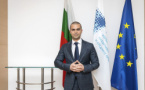
Dr. Boyko Takov: Analytical and empirical results from ongoing projects constitute a solid information base

Up to 90 percent of construction and renovation workers in Bulgaria are operating outside the legal framework, according to entrepreneur Lozan Lozanov, who raised concerns about the lack of regulation in construction and installation services

The Ministry of Finance has released a broad public dataset covering more than 7,000 public procurement contracts with a combined value exceeding 30 billion euros

Mobile slot gaming has exploded in popularity, and it’s easy to see why.
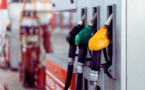
Caretaker Finance Minister Georgi Klisurski said he expects fuel prices at gas stations to ease in the coming period, pointing to a sharp decline in international oil markets

Aniventure Comic Con Returns to Bulgaria with Star Guest Christopher Judge!

Global Fuel Shock: Oil Jumps Over 40% Since Iran War Began