Strike on Russia's Black Sea Fleet: Ukrainian UAVs Target Frigate Admiral Grigorovich
Ukrainian unmanned aerial vehicles targeted Russian military assets in the Black Sea port city of Novorossiysk during a night-time operation between April 5 and 6
HOT: » Which party would you vote for (if you could) in the upcoming snap vote in Bulgaria on April 19?
 Send to Kindle
 @Wikimedia Commons
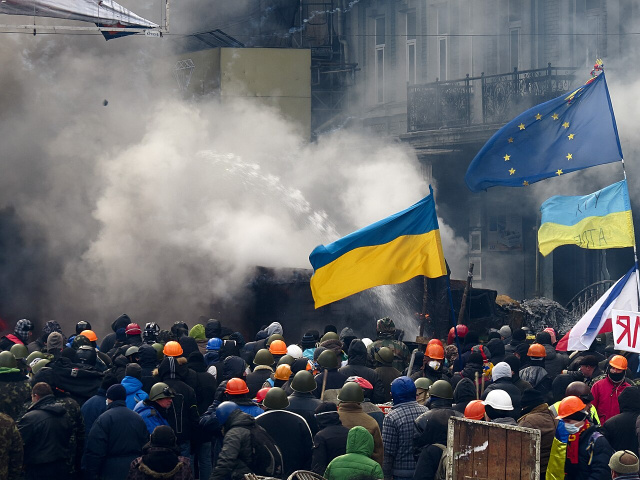
Ukrainian investigators have formally identified senior Russian officials as suspects in the deadly crackdown on EuroMaidan demonstrators in 2014, The Kyiv Independent reported. On Sept. 10, the State Bureau of Investigation (SBI) announced that Alexander Bortnikov, director of Russia’s Federal Security Service (FSB), and Vladimir Kolokoltsev, Russia’s minister of internal affairs, along with their subordinates, were directly implicated in the violence.
According to the SBI, the Russian officials personally traveled to Kyiv during the height of the protests. They were said to have visited central districts, including Independence Square, in order to assess the situation firsthand. Following their inspections, they allegedly coordinated and refined plans for dispersing the demonstrations through force.
The EuroMaidan movement, which began in late 2013, was triggered by then-President Viktor Yanukovych’s decision to abandon a planned association agreement with the European Union in favor of closer alignment with Moscow. The protests escalated into 2014, drawing hundreds of thousands, at times nearly a million people, who opposed Yanukovych’s pro-Russian agenda and the increasing curtailment of civil freedoms.
The SBI reported that Russian representatives illegally supplied Ukrainian security forces with weapons designed for dispersal. These included Drife-2 gas grenades, Zarya-2 and Torch-C stun grenades, Flame-M devices, as well as smoke grenades. The shipments were intended to suppress the mass gatherings through intimidation and physical harm.
Beyond the provision of equipment, the Russian officials also recommended bringing in reinforcements. Their plan called for the deployment of additional units of Berkut riot police and internal troops. Investigators say a reserve command center was set up in Kyiv, on their advice, to better coordinate operations against the demonstrators.
The crackdown reached its peak in February 2014. Between Feb. 18 and 19, the dispersal plan was executed under the pretext of an anti-terrorist operation. Thirteen protesters were killed in those two days, while more than 250 others were injured.
After the EuroMaidan protests came to an end and Yanukovych fled Ukraine, Russian authorities allegedly shielded members of the Ukrainian security forces who had carried out the violent suppression. These individuals were granted Russian passports and positions in state institutions, protecting them from accountability in Ukraine.
The findings reinforce longstanding accusations that Moscow not only backed Yanukovych politically but also played a direct role in orchestrating and enabling the lethal crackdown that became a defining moment in Ukraine’s modern history.
Ukrainian unmanned aerial vehicles targeted Russian military assets in the Black Sea port city of Novorossiysk during a night-time operation between April 5 and 6
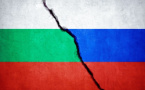
The Russian Embassy in Sofia has circulated a warning issued by the Foreign Ministry in Moscow, cautioning its citizens about what it describes as a heightened risk of detention abroad at the request of US authorities
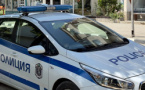
A police operation in Burgas has led to the discovery of a significant quantity of ammunition and a weapon equipped with optics in a residential property in the Ostritsata-2 area, near the Banevo district.

Bulgaria is preparing steps to introduce the Ukrainian language into its school system as part of foreign language education, alongside broader plans to expand educational cooperation with Ukraine
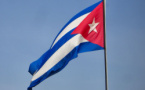
The United States has allowed a Russian oil tanker to proceed to Cuba, despite the broader pressure campaign against the island’s energy supplies, according to reports citing American officials familiar with the situation
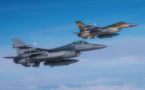
Romania’s Ministry of National Defense has confirmed that a military drone crossed into Romanian airspace and later crashed, after being diverted during Ukrainian air defense activity
Ukrainian unmanned aerial vehicles targeted Russian military assets in the Black Sea port city of Novorossiysk during a night-time operation between April 5 and 6
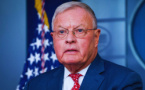
Keith Kellogg, who previously served as US President Donald Trump’s Special Envoy for Ukraine, has raised the possibility of reshaping existing security structures, including moving beyond NATO
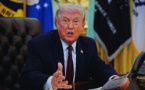
US President Donald Trump has stated that the United States should not have become involved in the war in Ukraine, arguing that the conflict is geographically distant and does not directly concern American interests
Four years after the liberation of Bucha, the town remains a central reference point for understanding the nature of the war in Ukraine and the limits of current diplomatic efforts.
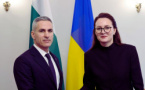
Acting Prime Minister Andrey Gyurov, during an official visit to Kyiv, reaffirmed Bulgaria’s continued support for Ukraine, stressing backing for its sovereignty, independence, and territorial integrity, according to the government press service.
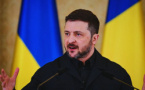
Ukrainian President Volodymyr Zelensky has said that Ukraine is prepared to accept a temporary ceasefire during the Easter period, as well as a broader pause in strikes on energy infrastructure, while stressing that any agreement must not undermine Ukrain

Aniventure Comic Con Returns to Bulgaria with Star Guest Christopher Judge!
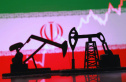
Global Fuel Shock: Oil Jumps Over 40% Since Iran War Began