Easter Monday in Bulgaria: Tradition and Family Visits
Orthodox Easter Monday is the day following Easter Sunday and is observed across Bulgaria as part of the wider Easter celebration within the Orthodox Christian tradition
HOT: » Which party would you vote for (if you could) in the upcoming snap vote in Bulgaria on April 19?
 Send to Kindle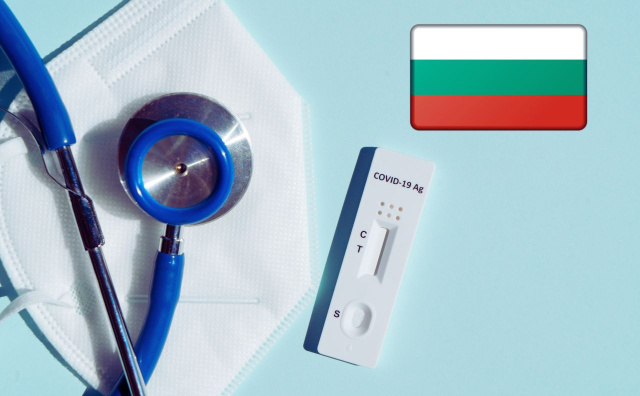
COVID-19 cases in Bulgaria are rising sharply, with weekly increases of around 30%, signaling the onset of a new wave that could soon see the number of infections double. This concerning trend was highlighted by Prof. Iva Hristova, Director of the National Center for Infectious and Parasitic Diseases, during her appearance on Nova TV. While many infections go unreported, official data nonetheless provides a clear picture of the virus’s resurgence, with the peak of this wave expected by the end of September.
Prof. Hristova explained that the upward trajectory of COVID-19 in Bulgaria mirrors patterns observed across Europe, where case numbers have grown by nearly 50%, from 22,000 in July to 35,000 in August. Although the total number of officially reported cases may seem low, it serves as a reliable indicator of the broader trend, as many people rely on home testing that is not reflected in official statistics.
The current wave appears to be relatively mild, and the healthcare system is not yet under significant strain. However, hospitalizations are gradually increasing, underscoring the need for vigilance. Prof. Hristova outlined symptoms that should prompt testing for COVID-19: high fever above 38°C, severe fatigue, throat irritation, runny nose, and persistent cough. She emphasized that the likelihood of a COVID-19 infection is high when these symptoms are present.
Regarding illness management, Prof. Hristova advised that some improvement in the first two days of symptoms is normal. Fever should typically resolve within one to two days. However, if the fever persists beyond the third day or if coughs worsen, it is essential to seek medical care, especially for individuals with chronic conditions or other underlying health issues.
To limit the spread of the virus, self-isolation remains the primary recommendation. “It is important to stay at home for at least a week, not only to recover fully but also to reduce the risk of transmitting the virus to others,” Prof. Hristova stressed. The guidance reflects a cautious approach aimed at protecting public health while allowing individuals to manage their illness safely.
The renewed surge in infections highlights the continued presence of COVID-19 in Bulgaria and Europe, reinforcing the need for awareness, timely testing, and adherence to isolation measures to prevent further spread.
Source: Nova TV
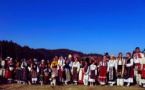
Orthodox Easter Monday is the day following Easter Sunday and is observed across Bulgaria as part of the wider Easter celebration within the Orthodox Christian tradition

Industrial output in Bulgaria posted a modest monthly increase in February 2026, but continued to decline sharply on an annual basis, according to preliminary, seasonally adjusted data from the National Statistical Institute.

The president of the Confederation of Bulgarian Trade Unions, Plamen Dimitrov, has warned that inflation in Bulgaria is likely to exceed earlier projections, even if fuel prices begin to decline

The introduction of the euro in Bulgaria has so far produced only a limited and largely one-off effect on consumer prices, according to an analysis by the European Central Bank

Easter is the most important religious holiday in the Orthodox Christian calendar and is widely celebrated across Bulgaria. It marks the resurrection of Jesus Christ and follows the completion of Holy Week, which includes Good Friday and Holy Saturday

The Central Election Commission (CEC) in Bulgaria has confirmed that a total of 6,575,151 citizens are eligible to vote in the upcoming elections on April 19

Health authorities in Bulgaria report a total of 101 confirmed measles cases across the country, according to data from the Ministry of Health

The Bulgarian Medical Association has called for an urgent overhaul of healthcare funding, insisting on a 25 percent increase in the prices of clinical pathways and all medical services, alongside a revision of the user fee for hospital stays

Health authorities report that measles infections in Bulgaria have surpassed 70 confirmed cases, with a total of 73 registered as of April 3

Health authorities have reported a total of 66 confirmed measles cases in Bulgaria, with the first infection now recorded in Sofia, according to data published on the Ministry of Health’s epidemic monitoring platform.

All emergency medical centers across Bulgaria have now been equipped with the opioid antidote Naloxone, a development confirmed by the Ministry of Health. The drug is used in cases of overdose and is considered critical for saving lives in emergencies inv
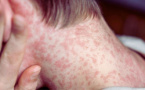
A total of 43 measles infections have been recorded across three regions in Bulgaria, according to data released by the Ministry of Health on March 30

Aniventure Comic Con Returns to Bulgaria with Star Guest Christopher Judge!

Global Fuel Shock: Oil Jumps Over 40% Since Iran War Began