The Power of Knowledge Lies in Its Use
Dr. Boyko Takov: Analytical and empirical results from ongoing projects constitute a solid information base
Business | April 9, 2026, Thursday // 18:21
HOT: » Which party would you vote for (if you could) in the upcoming snap vote in Bulgaria on April 19?
 Send to Kindle
 @Pexels
Courier service prices in Bulgaria are set to rise from March 1, with some deliveries increasing by nearly 10%. Two of the largest courier companies in the country are also introducing new pricing rules for the lightest shipments. While these changes are primarily driven by transport and logistics factors, they may also have an impact on online sales and consumer costs.
One leading courier company confirmed that a 10% price hike will apply to domestic and international palletized shipments, but assured that standard services used by most customers will not be affected. The fee for cash-on-delivery services will also increase, though this change primarily concerns corporate clients. Meanwhile, another major company plans to raise service prices across Bulgaria, Greece, and Romania.
Industry experts predict that higher courier costs will affect the final price of goods for consumers, leading merchants to explore alternative delivery options. One growing trend is the use of parcel lockers, which have gained significant popularity over the past year. Increased competition in this sector is expected to help optimize delivery costs.
Despite the anticipated rise in courier service prices, Bulgaria’s e-commerce sector is experiencing significant growth. According to the Bulgarian E-Commerce Association, online sales in the country reached a record €2.34 billion, with transactions made exclusively through domestic online stores. The trend suggests that higher delivery fees may not deter shoppers from making online purchases.
Consumers have different shopping habits when it comes to delivery methods. For instance, some customers prefer picking up their orders from courier offices rather than using home delivery or parcel lockers due to convenience and collection time restrictions. Meanwhile, online shopping remains widespread, with half of Bulgarians aged 16 to 74 engaging in e-commerce. The most commonly purchased items include clothing, shoes, accessories, travel services, and cosmetics, while books rank tenth among the most ordered products.
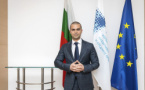
Dr. Boyko Takov: Analytical and empirical results from ongoing projects constitute a solid information base

The European Public Prosecutor’s Office (EPPO) has carried out a series of coordinated investigative actions across several countries, including Bulgaria and Romania, as part of a probe into suspected large-scale fraud involving EU funds

Holiday weather conditions are expected to remain mixed across Bulgaria, with alternating periods of sunshine and rain showers, according to the forecast
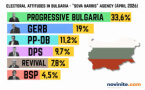
A new survey by the “Sova Harris” agency indicates that six political formations would enter the next Bulgarian National Assembly, based on data collected between April 2 and 6 among 800 respondents through standardized face-to-face interviews

Up to 90 percent of construction and renovation workers in Bulgaria are operating outside the legal framework, according to entrepreneur Lozan Lozanov, who raised concerns about the lack of regulation in construction and installation services

The Ministry of Finance has released a broad public dataset covering more than 7,000 public procurement contracts with a combined value exceeding 30 billion euros
Dr. Boyko Takov: Analytical and empirical results from ongoing projects constitute a solid information base
Up to 90 percent of construction and renovation workers in Bulgaria are operating outside the legal framework, according to entrepreneur Lozan Lozanov, who raised concerns about the lack of regulation in construction and installation services
The Ministry of Finance has released a broad public dataset covering more than 7,000 public procurement contracts with a combined value exceeding 30 billion euros

Mobile slot gaming has exploded in popularity, and it’s easy to see why.

Caretaker Finance Minister Georgi Klisurski said he expects fuel prices at gas stations to ease in the coming period, pointing to a sharp decline in international oil markets

Boris Azarenko is an entrepreneur whose professional background lies in banking and finance and who later founded major property development businesses.

Aniventure Comic Con Returns to Bulgaria with Star Guest Christopher Judge!

Global Fuel Shock: Oil Jumps Over 40% Since Iran War Began