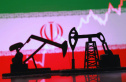
The bill for European countries to protect households and companies from sharply rising energy costs has reached nearly 800 billion euros, researchers from the Bruegel think tank reported. They urged countries to spend more efficiently to deal with the energy crisis.
The countries of the European Union have already set aside 681 billion euros to deal with the energy crisis, while Great Britain has set aside 103 billion euros and Norway - 8.1 billion euros since September 2021, according to the analysis of "Bruegel".
The €792bn total compares with €706bn in Bruegel's latest estimate from November, as countries continue to grapple with the winter effects of most Russian gas supplies to Europe ending in 2022.
Germany topped the spending list, spending nearly 270 billion euros - an amount that dwarfs all other countries. Britain, Italy and France are the next biggest spenders, although each spent less than €150 billion.
Per capita, Luxembourg, Denmark and Germany spend the most.
Spending by countries on the energy crisis is already at the level of the EU's €750 billion COVID-19 recovery fund. The energy cost update comes as countries debate EU proposals to further loosen state aid rules for green technology projects as Europe seeks to compete with subsidies in the US and China.
Those plans have raised concerns in some EU capitals that encouraging more state aid will disrupt the bloc's internal market. Germany has come under fire for its huge energy aid package, which far exceeds the means of other EU countries.
Bruegel said governments have channeled most of the aid into measures to limit the retail prices consumers pay for energy, such as reducing VAT on petrol or capping retail electricity prices.
According to the think tank, this needs to change because states do not have enough fiscal resources to support such broad funding.
Follow Novinite.com on Twitter and Facebook
Write to us at editors@novinite.com
Информирайте се на Български - Novinite.bg
/BGNES


 @Pixabay