Mystery Illness Claims Over 50 Lives in Congo, WHO Investigates
An unidentified illness has claimed the lives of more than 50 people in the northwestern region of the Democratic Republic of Congo
HOT: » Which party would you vote for (if you could) in the upcoming snap vote in Bulgaria on April 19?
 Send to Kindle
 www.pixabay.com
The presence of fatty deposits called plaques in the walls of the arteries of people who died 500 years ago is surprising scientists
They discovered the most deadly modern disease in mummies. An international team of scientists conducted a computer scan of mummies from Greenland. They lived in the sixteenth century, which showed that even then people suffered from blocked arteries.
Researchers examined the well-preserved mummies of four adults and one child who lived in Greenland about 500 years ago. The analysis of the skeletons and teeth showed that two of the adults were men. Two mummies belonged to women who died between the ages of 18 and 30.
Computed tomography reveals an accumulation of fatty tissue plaque in the arteries in three of the mummies.
At the same time, scientists cannot be sure that it was this disease that caused the death of the ancient Greenlanders.
In the study, published on the open digital platform of the American Medical Association, the authors explained: "Atherosclerosis is thought to be a modern disease, but its presence in ancient people increases the likelihood of a more fundamental predisposition to the disease."
Atherosclerosis is a disease in which plaque builds up inside your arteries. Plaque is made up of fat, cholesterol, calcium, and other substances found in the blood. In the modern world, this disease is the leading cause of death as blocked arteries cause heart attacks and strokes.
The presence of fat deposits in the arteries of people who died 500 years ago is a surprise to scientists. Moreover, the menu of the inhabitants of Greenland in the sixteenth century was quite healthy and rich in Omega-3 fatty acids due to the widespread consumption of poultry and fish.

An unidentified illness has claimed the lives of more than 50 people in the northwestern region of the Democratic Republic of Congo

The infected are a father and daughter, probably infected by another family member - the mother

Authorities in North Korea have ordered a five-day lockdown in the capital Pyongyang due to an increase in cases of an unspecified respiratory illness

The World Health Organization said on Monday it will begin using a new term for monkeypox to avoid criticism that the disease's current name is racist and stigmatizing

By the end of November, cases of respiratory infections will increase, as we currently have cases of metapneumoviruses, rhinoviruses, adenoviruses, and by the end of November we expect the first cases of respiratory syncytial virus, which is dangerous for

According to research results presented at the IDWeek Conference in Washington, starting antiretroviral treatment (ART) early in the course of HIV infection when the immune system is stronger results in better long-term health outcomes compared to delayed

Health authorities in Bulgaria report a total of 101 confirmed measles cases across the country, according to data from the Ministry of Health

Good Friday, known in Bulgaria as Razpeti petak, is one of the most solemn and deeply observed days in the Orthodox Christian calendar
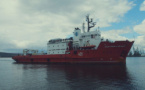
The Bulgarian scientific research vessel “Sts. Cyril and Methodius” (NIC 421) has returned to Varna, docking at the Marine Station and marking the official end of the country’s 34th Antarctic expedition
Holiday weather conditions are expected to remain mixed across Bulgaria, with alternating periods of sunshine and rain showers, according to the forecast

The Bulgarian Orthodox Church has decided that no official delegation will travel to Jerusalem this year to receive the Holy Fire, citing the ongoing tensions in the Middle East

Plovdiv will host the International Street Arts Festival 6Fest from April 20 to 26, 2026, turning the city into an open-air stage featuring performers from 11 countries across three continents

Aniventure Comic Con Returns to Bulgaria with Star Guest Christopher Judge!

Global Fuel Shock: Oil Jumps Over 40% Since Iran War Began