3 Months Later: Businesses and Citizens Embrace the Euro in Bulgaria as Transition Smooths
Three months into Bulgaria’s adoption of the euro, the new currency has become a routine part of daily life for citizens
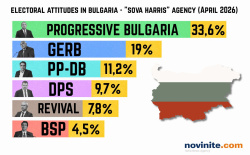
HOT: » Which party would you vote for (if you could) in the upcoming snap vote in Bulgaria on April 19?
 Send to Kindle
 File photo
What are Bulgarians regularly coming in pickups doing here, residents of the Herzogenbuchsee municipality in Northern Switzerland ask themselves according to Swiss website Blick.de.
In a report on scrap metal trade, the outlet claims the suspicious Bulgarians who arrive there are "self-employed scrap traders" who collect old iron and used tools and devices to sell them to recycling companies in the region.
Bekim Krasniqi, a Kosovar who owns one such company, is quoted as saying he has already bought second-hand devices and scrap materials from Bulgarians.
Those Bulgarians purporting to be tourists who explain, in broken German (according to the quotations) they aren't in the region to work, but to purchase old cars and motorcycles and to export them to Bulgaria, Blick.ch writes.
A number of vans with Bulgarian license plates have been arriving there "for months" by night, and it is hard to see what is in the vehicles, since black sheets are cast over the windows.
For what they are doing no VAT or other taxes are paid by them in Switzerland, Blick claims. Moreover, they are not registered at the municipality, a step required by anyone who stays in Switzerland more than nine days and is self-employed.
Swiss police say that if any illegal stay or activity are established, the Bulgarians will be handed to the migration service.
The "traders", however, live on quite a busy thoroughfare, one of the most attractive places to live in the municipality. The person who rents apartments to them says tenants change every two to three months.

Three months into Bulgaria’s adoption of the euro, the new currency has become a routine part of daily life for citizens

A recent survey by the sociological agency "Myara" shows that while a majority of Bulgarians perceive the conflict in Iran as a genuine threat to the country, they largely do not feel personally endangered

The number of Bulgarians living abroad who have applied to vote in the early parliamentary elections on April 19 has nearly doubled compared with the last vote in October 2024

A recent study by the Association for Responsible Non-Banking Lending (AONK) shows that nearly a quarter of Bulgarians have used quick loans at least once in their lives. The findings were presented by the organization’s chairman, attorney Nikolay Tsvetko
More than 2,600 Bulgarian citizens have left countries in the Middle East and Iran since the start of the evacuation efforts, according to information from the Situation Center of the Ministry of Foreign Affairs as of 09:30 today
Last night, 120 Bulgarians who had been stranded in the Maldives finally returned home aboard a charter flight operated by the Bulgarian airline GullivAir.

Brazen Bulgarian gangs "terrorise the elderly and rob them over their life savings with increasingly aggressive phone scams nettling millions of euros," according to an AFP story.

The prospect of US President Donald Trump's moving closer to Russia has scrambled the strategy of "balancing East and West" used for decades by countries like Bulgaria, the New York Times says.

Bulgarians have benefited a lot from their EU membership, with incomes rising and Brussels overseeing politicians, according to a New York Times piece.

German businesses prefer to trade with Bulgaria rather than invest into the country, an article on DW Bulgaria's website argues.

The truth about Bulgaria and Moldova's presidential elections is "more complicated" and should not be reduced to pro-Russian candidates winning, the Economist says.

President-elect Rumen Radev "struck a chord with voters by attacking the status quo and stressing issues like national security and migration," AFP agency writes after the presidential vote on Sunday.

Aniventure Comic Con Returns to Bulgaria with Star Guest Christopher Judge!
Global Fuel Shock: Oil Jumps Over 40% Since Iran War Began