Is Russian Oil Flowing to Bulgaria in 2026?
Bulgaria's only oil refinery, Lukoil Neftochim Burgas, processed Russian crude for most of its post-Soviet history. Since March 2024, that has been banned by law
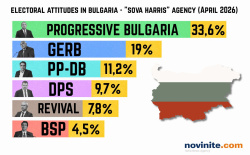
HOT: » Which party would you vote for (if you could) in the upcoming snap vote in Bulgaria on April 19?
 Send to Kindle
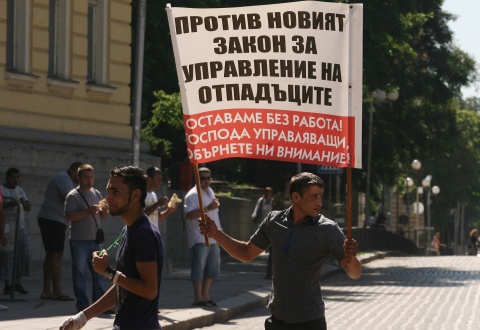 Representatives of scrap metal dealers and recycling companies claim that the new law will force many companies dealing with metal scrap to cease their activities. Photo by Sofia Photo Agency
Bulgaria's metal scrap dealers have threatened to move businesses to neighboring Romania and Greece to escape the heavy blow they will be dealt by a new bill.
"A large number of all 800 companies that are dealing with trade in ferrous and nonferrous metals, will move to Romania and Greece because of severe prohibitions which the bill envisages," Borislav Malinov, chairman of the Bulgarian Association of Recycling, has warned.
Moving bases abroad will allow the companies to steer clear of the ban on buying scrap of unclear origin and from individuals.
Representatives of scrap metal dealers and recycling companies claim that the new law will force many companies dealing with metal scrap to cease their activities.
They insist that the existing draft Waste Management Act, prepared by the Bulgarian Ministry of Environment and Water, be instantly withdrawn.
The mandatory deployment of non-cash payments in scrap metal trade and the proposed 2013 ban on natural persons trading in black and colored metals were two key aspects of the draft Waste Management Act that drew the ire of the people from the sector.
At a series of rallies staged last year the scrap traders, who claim to work legally, called for a wide social participation in the preparation of a new law to favor the interests of Bulgarian society and the business sector that complies with the rule of law.
The metal dealers, who work legally, say they pay taxes and require the identity card of the person, who brings the metal to the shop. The name of the person is recorded in a registry, which can be checked by the authorities at any time.
Those who work illegally take everything, all the scrap is then sent to illegal foundries and thus formally legalized.
The ministry has justified the strict measures with the need to step up the combat against thefts of ferrous and nonferrous metals. The new regulations will begin to come into force next week.

Bulgaria's only oil refinery, Lukoil Neftochim Burgas, processed Russian crude for most of its post-Soviet history. Since March 2024, that has been banned by law

Energy expert Martin Vladimirov from the Center for the Study of Democracy has warned that fuel prices in Bulgaria have not yet reached their peak, adding that the country is gradually converging with average EU levels.
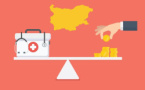
Healthcare costs in Bulgaria are rising at a significantly faster pace than overall inflation, with price growth in the sector in 2026 roughly twice the national average compared to 2025

Around half a million Bulgarians chose to spend Easter inside the country, while roughly 120,000 traveled abroad

Bulgargaz has submitted a proposal to the Energy and Water Regulatory Commission (EWRC) suggesting a natural gas price of €35.98 per megawatt hour (MWh) for May

Acting Interior Ministry Secretary General Georgi Kandev has reported that police operations against vote buying in Bulgaria have so far led to the seizure of around 1 million euros, alongside thousands of inspections and a sharp rise in citizen alerts ah

Acting Energy Minister Traycho Traykov said Bulgaria should not tap into its 90-day fuel reserves to ease prices, stressing that they must remain a safeguard in case of an actual supply disruption
Bulgaria has secured a six-month extension of the Lukoil waiver, following a decision by the US Treasury Department’s Office of Foreign Assets Control (OFAC)
The Bulgarian National Bank (BNB) has decided to increase the countercyclical capital buffer to 2.25%, in a move aimed at easing pressure on the rapidly growing housing credit market and strengthening the resilience of the banking system.
Energy expert Boyan Rashev has warned that Europe could be moving toward what he described as an “energy lockdown” scenario if fuel supply pressures continue to worsen
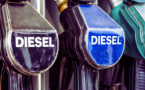
Fuel prices in Bulgaria have continued to edge upward, with diesel and gasoline both registering increases in the days following the Easter holiday

Bulgaria’s tourism sector has never been stronger and has been achieving steady growth for the past few years.

Aniventure Comic Con Returns to Bulgaria with Star Guest Christopher Judge!
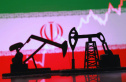
Global Fuel Shock: Oil Jumps Over 40% Since Iran War Began