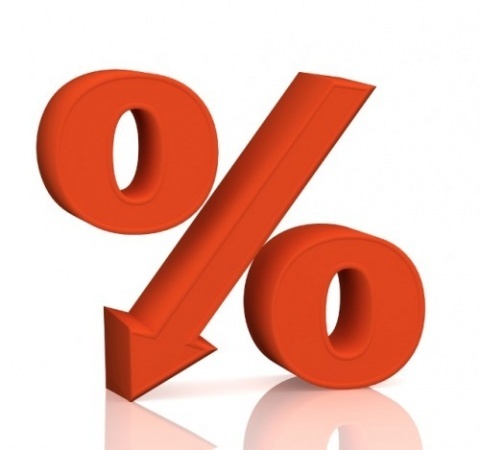
In the third quarter of 2011, compared to a year earlier, the highest annual growths in total labor costs in Bulgaria were recorded in Information and Communication - 21.2%. File photo
Bulgaria National Statistics Institute (NSI) has published preliminary labor cost data, showing that hourly costs rose on average by 7.2% year on year.
According to data of NSI, released Tuesday, in the third quarter of 2011, the total hourly labor cost rose by 7.2% compared to the third quarter of 2010. The total hourly labor cost grew by 7.2% in the industry sector, by 12.2% in services, and by 5.3% in construction.
The breakdown by economic activities showed that the highest annual growths in total labor costs were recorded in Information and Communication - 21.2%, followed by Professional, Scientific and Technical Activities - 19.7% and Wholesale and Retail Trade and Repair of Motor Vehicles and Motorcycles - 17.4%, while the lowest annual growths were registered in Public Administration and Defense; Compulsory Social Security and Administrative and Support Service Activities, respectively 2.7% and 0.6%. Decrease by 8.5% in total labor costs was observed in Real Estate Activities, Other Service Activities by 6.6%, Education and Human Health and Social Work Activities by 1.0%.
In the structure of the total labor costs, wages and salaries costs per hour of work grew by 7.3% in comparison with a year earlier, while the other (non-wage) costs rose by 6.8%. Among the economic activities in the third quarter of 2011 compared to the third quarter of 2010, the growth rate of wages and salaries component ranged from (-7.7%) in Real Estate Activities to 20.8% in Information and Communication.
The Labor Cost Index is a short-term indicator measuring the quarterly development of hourly labor costs incurred by the employers as a result of engaging the labor work force. The quarterly survey on employees, hours of worked, wages and salaries and other expenditures paid by the employer is the main source used for the labor cost index data calculation.