The G20 Summit Approved a Minimum Corporate Tax of 15%
The leaders of the world's largest economies today supported the imposition of a minimum tax rate on corporations
Politics | October 31, 2021, Sunday // 09:20
HOT: » Which party would you vote for (if you could) in the upcoming snap vote in Bulgaria on April 19?
 Send to Kindle
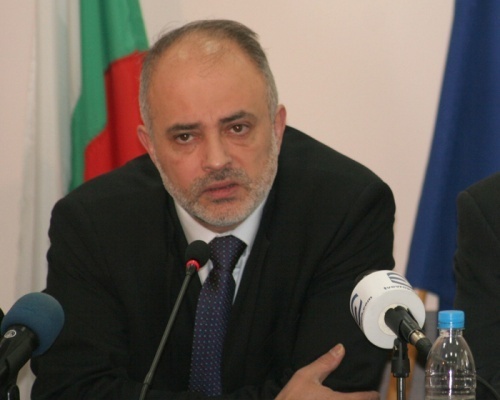 Bulgaria's Labor Minister Totyu Mladenov has surprisingly proposed restauration of progressive tax rates for the duration of the crisis. Photo by BGNES
Bulgaria must give up temporarily its flat rates for income and corporate taxes because of the economic crisis, according to Labor Minister Totyu Mladenov.
Mladenov expressed his position in a bTV talk show Saturday night. His idea was immediately met with negative reactions on part of the business sector. Bulgaria’s flat income and corporate taxes are currently set at 10%.
“The progressive taxes will vary – from 10% to 22%. Those who receive higher incomes should show solidarity. The burden of the crisis has to be shared by everyone but not by the pensioners, the mothers, and the impoverished ones,” Mladenov declared surprisingly.
Bulgaria’s Finance Minister Simeon Djankov has repeated several times since the Borisov government took office in the summer of 2009 that the Cabinet would not be raising the taxes.
However, the Labor Minister demands a restoration of the progressive taxes for the duration of the economic crisis – perhaps until the end of 2011.
Bozhidar Danev, head of the Bulgarian Industrial Association, has reacted strongly to Mladenov’s idea. He believes that there might be some misunderstanding among the Ministers of the GERB government. In his view, the return to the progressive taxes could drive some foreign investors away and will contribute to the deepening of the crisis as it will take away money for potential investments from the business sector.
Danev said, however, that the trade unions might support Mladenov’s idea. On Sunday, six business organizations and the two major Bulgarian trade unions are going to present their position on the anti-crisis package of measures being currently prepared by the Finance Ministry.

The leaders of the world's largest economies today supported the imposition of a minimum tax rate on corporations

“The health minister's order says the restaurants will open on March 1.

The Bulgarian Industrial Association (BIA) is launching a project to encourage a longer working life.

Bulgaria ranks 47th in the world in terms of economic freedom, showed a ranking of the American Heritage Foundation.

The Bulgarian Industrial Association (BIA) has warned the country ranks last in the size of foreign investment drawn by EU member states.
The Ministry of Finance has released a broad public dataset covering more than 7,000 public procurement contracts with a combined value exceeding 30 billion euros
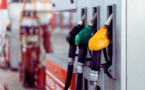
Caretaker Finance Minister Georgi Klisurski said he expects fuel prices at gas stations to ease in the coming period, pointing to a sharp decline in international oil markets
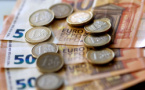
Bulgaria’s new government borrowing for 2026 has surpassed the 1 billion euro mark following the latest successful auction of state securities, according to data cited from the Bulgarian National Bank

Bulgaria recorded only a modest and one-off increase in inflation following the adoption of the euro on January 1, with the effect estimated at between 0.3 and 0.4 percentage points

Data released by the Ministry of Finance, covering budget execution for February 2026 and preliminary estimates for March 2026, indicate a marked deterioration in Bulgaria’s fiscal position

In the 2026 edition of the Index of Economic Freedom, compiled by the Heritage Foundation, Bulgaria is placed 38th out of 176 countries, positioned between Costa Rica and Oman

Aniventure Comic Con Returns to Bulgaria with Star Guest Christopher Judge!

Global Fuel Shock: Oil Jumps Over 40% Since Iran War Began