Red, White & Spring: The Magic of Bulgaria's Baba Marta Day
Every year on the 1st of March, Bulgaria bursts into a sea of red and white as the nation celebrates one of its most cherished and uniquely Bulgarian traditions - Baba Marta Day.
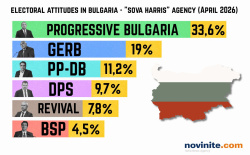
HOT: » Which party would you vote for (if you could) in the upcoming snap vote in Bulgaria on April 19?
 Send to Kindle
 On March 1, the day of Baba Marta, Bulgarians are eager to buy and present one another red and white martinsas of various shapes and sizes. Photo by Sofia Photo Agency
All Bulgarians celebrate on March 1 a centuries-old tradition and exchange martenitsas on what is called the day of Baba Marta, which this year dawned with a shy sun, spelling relatively nice weather ahead.
Eagerly followed on March 1 every single year, the tradition of giving your friends red-and-white interwoven strings brings health and happiness during the year and is a reminder that spring is near.
Celebrated on March 1, Baba Marta (Grandma March) is believed to be a feisty lady who always seems to be grudging at her two brothers, while the sun only comes out when she smiles.
As folklore often goes there are different versions of the Baba Marta tale. One says that on that day she does her pre-spring cleaning and shakes her mattress for the last time before the next winter - all the feathers that come out of it pour on Earth like snow - the last snow of the year.
The martenitsa tradition is thought to have been inspired by Bulgaria's first Khan Asparuh, who sent a white string to his wife to tell her he survived a battle.
People are supposed to take off their martenitsas when they see the first signs that spring has already come - a blooming tree or a stork.
When the martenitsa is taken off some tie it to a tree - one that they'd like to be especially fruitful. Others place it under a rock and based on what they find there the next morning guess what kind of a year this one would be.
The martenitsa now comes in all shapes and sizes - from Guiness-worth giant building packages to two tiny simple strings gently placed on a newborn's arm. Children usually compete who will get the most and often walk around more ornate than a Christmas tree.
However, it always bears the same meaning - a lucky charm against the evil spirits of the world, a token for health and a sign of appreciation.
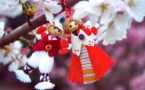
Every year on the 1st of March, Bulgaria bursts into a sea of red and white as the nation celebrates one of its most cherished and uniquely Bulgarian traditions - Baba Marta Day.

Bulgarian State Railways (BDZ) is offering a special retro train experience from Sofia to Bankya on 1 March to celebrate Baba Marta Day, one of Bulgaria’s most beloved springtime traditions

One of the most cherished spring traditions in Bulgaria is the celebration of Baba Marta and the wearing of martenitsa—twisted red and white threads believed to bring health and prosperity

The tradition of exchanging amulets in white and red for health dates back thousands of years and is popular in several neighboring countries

On March 1, Bulgarians celebrate Baba Marta - one of the most beloved Bulgarian traditions, preserved to this day

Embracing the rich cultural heritage of Bulgaria, Bulgarians in Chicago marked the sixth consecutive year of the international "Martenitsa" project on February 25th
Orthodox Easter Monday is the day following Easter Sunday and is observed across Bulgaria as part of the wider Easter celebration within the Orthodox Christian tradition
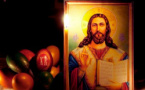
Easter is the most important religious holiday in the Orthodox Christian calendar and is widely celebrated across Bulgaria. It marks the resurrection of Jesus Christ and follows the completion of Holy Week, which includes Good Friday and Holy Saturday

Holy Saturday, known in Bulgaria as Lazarus Saturday’s continuation of the Easter cycle, is a quiet but deeply symbolic day in the Orthodox Christian calendar

Health authorities in Bulgaria report a total of 101 confirmed measles cases across the country, according to data from the Ministry of Health
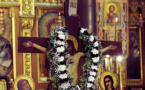
Good Friday, known in Bulgaria as Razpeti petak, is one of the most solemn and deeply observed days in the Orthodox Christian calendar

The Bulgarian scientific research vessel “Sts. Cyril and Methodius” (NIC 421) has returned to Varna, docking at the Marine Station and marking the official end of the country’s 34th Antarctic expedition

Aniventure Comic Con Returns to Bulgaria with Star Guest Christopher Judge!

Global Fuel Shock: Oil Jumps Over 40% Since Iran War Began