- iNews
- Novinite
- Econ
- DoctorOnline
- Jenite
- Div
- Sporta
- FitWell
- Sportuvai
- Peika
- Programata
- News in English

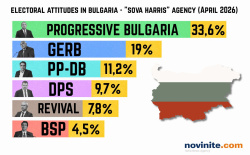
HOT: » Which party would you vote for (if you could) in the upcoming snap vote in Bulgaria on April 19?
Photo Story: Turquoise Blue Black Sea, NASA Image of the Day
In the recent days, the Black Sea has a turquoise blue colour. The rare phenomenon is observed all over the coast. The experts from the Institute of Oceanology in the Bulgarian coastal city of Varna say that this is due to the bloom of a certain type of phytoplankton., BNT writes.
Fishermen, who often see different natural phenomena, believe that this is the usual colour for the sea at the beginning of summer.
The colour of the sea often changes, old fishermen say.
The Black Sea water has had turquoise blue colour in some places for the past few days and attracts the attention of residents and tourists. Many take pictures of the turquoise sea. Experts say this beautiful colour is not unusual for the season.
Prof. Valentina Todorova from the Institute of Oceanology says that it happens every year in the late spring, end of May and in June, and this milky turquoise blue colour is due to algal blooms of sea weeds from the class of cocolitophores and more precisely of the species Emiliania huxleyi . Samples were taken and they confirmed the bloom of this species, " she explained.
Emiliania huxleyi is a type of phytoplankton that occurs in almost all seas and oceans. It is plated with calcium carbonate, which reflect the light and thus influence the climate.
"The formation of a compound - dimethyl sulphite, which is volatile, emits itself into the atmosphere and this compound is the nucleus for formation of clouds in the atmosphere." When more clouds form, then the reflection capacity of the planet increases, i.e. most of the solar radiation returns. "
The phytoplankton Emiliania huxleyi, which is the cause of the turquoise sea, is not toxic and does not pose a threat to tourists. For lovers of sea adventure, specialists recall that by the end of August there will be a blooming of another plankton - phosphorescent.
On 13th of June, the US space agency NASA published photos of the turquoise blue Black Sea. The photo is called "Turquoise Swirls in the Black Sea" captured on May 29 by NASA’s Aqua satellite. The image is a mosaic, composed from multiple satellite passes over the region. It shows phytoplankton swirling in the currents of the Black Sea.
NASA explains that the turquoise swirls are not the brushstrokes of a painting; they indicate the presence of phytoplankton.


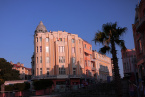
pLOVEdiv
Plovdiv, Bulgaria, is a city where history and modern life intertwine, offering cobblestone streets, Roman theaters, and vibrant cultural festivals. This beautiful historic city captivates visitors with its colorful Old Town, charming Revival-era houses, and lively art scene that pulses through every corner....

Bulgaria Has Chosen Three Designs for the National Side of the Euro Coins
All coins also feature the 12 stars of the European flag....

The Colors and Calm of Autumn
Autumn arrives softly, carrying the scent of change in the air. The days grow shorter, the sunlight turns gentle, and the trees begin their slow transformation....

Summer Vacation Vibes
There's something magical about watching planes streak across the endless Bulgarian summer sky, their silver wings catching the golden afternoon light. Each contrail tells a story of adventure and escape, reminding us that somewhere up there, travelers are beginning their holiday journeys or returning home with suitcases full of memories....

Capturing spring in Bulgaria: A blooming season through our lens
Spring in Bulgaria is a time of vibrant renewal, marked by blooming flowers and milder weather. As the snow melts away, the countryside transforms with colorful wildflowers such as snowdrops, crocuses, and tulips, filling fields and meadows....
Highlights







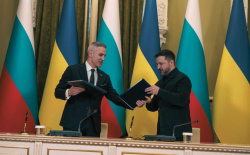
Elections in Bulgaria 2026
Ups & Downs

Aniventure Comic Con Returns to Bulgaria with Star Guest Christopher Judge!
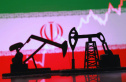
Global Fuel Shock: Oil Jumps Over 40% Since Iran War Began

